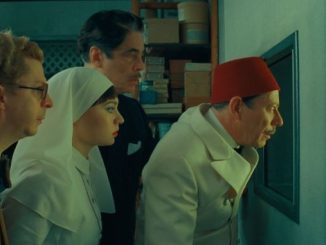
As the first quarter of the first century of this second millennium winds down, we thought it might be fun to take a long look back at twenty-five years of our favourite films of the modern era.
Not to overstate the obvious, but it’s been a great century so far.
We’ve gotten to witness the incredible trajectory of indie filmmakers like Richard Linklater (the Slacker guy who has, somehow, not lost his touch in thirty-five years), alongside former indie directors like Christopher Nolan (two of whose films, an early 21st century ultra-indie and a recent big budget spectacle, appear on this list). During that same period, a succession of remarkable non-Hollywood features, from as far flung as Iran, and as close as our own backyard, have earned unparalleled success, introducing a whole new filmgoing generation to the joy of subtitles, slow cinema, and non-precocious child acting.
Not everything on this list is arthouse; not everything on this list is a universal favourite. Some choices are sure to be divisive. Some omissions even more so. (We love you, David Lynch, but Mulholland Dr. just didn’t make the cut.)
Also, and we swear this wasn’t by design, while we did include many of the “canonical” filmmakers, we rarely preferred their most popular films. (In other words, There Will Be Blood is out, The Master in.)
Ranging from psychedelic horror to piercing character studies to slowburn romance, here, then, are our favourite twenty-five films from a quarter-century of movie watching; the works that most reminded us of the power, the joy, the brilliance of cinema.
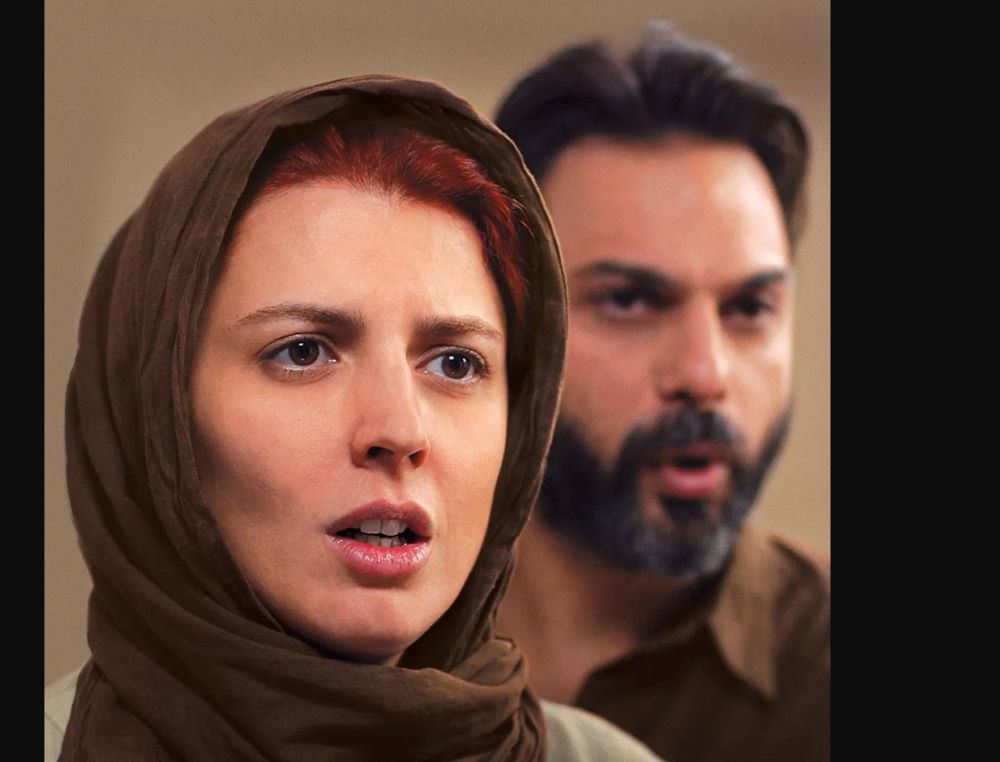
1. A Separation (2011, d. Asghar Farhadi)
Farhadi’s insightful, unusually riveting family drama is that rare work of fiction which finds something meaningful, even revelatory, in the day-to-day, not especially consequential, lives of ordinary people. Oscar winner for Best Foreign Language Film, A Separation (Jodāi-e Nāder az Simin) follows the unpredictable, and increasingly spiralling, consequences of a series of decisions – to petition for divorce, to hire a caregiver for an ailing father – made by an unhappily married couple in contemporary Iran. Subversive without drawing the ire of Iranian censors, it’s easily the masterpiece of 21st century cinema.
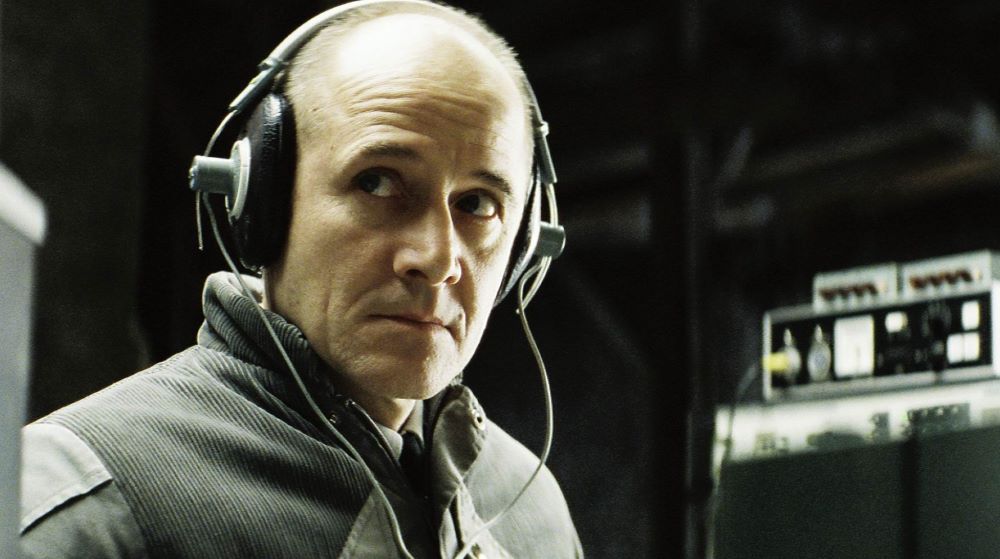
2. The Lives of Others (2006, d. Florian Henckel von Donnersmarck)
The greatest Cold War espionage tale not based on a John Le Carré, The Lives of Others (Das Leben der Anderen) is a thrilling, intelligent, exceptional film, and another deserving Foreign Language Oscar winner. (Another unexpected theme of this list: the Academy tends to get the foreign film prize right, but little else.) Set in 1980s East Berlin, Lives follows Stasi spy Gerd Wiesler (actor Friedrich Hans Ulrich Mühe, who passed away shortly after the film’s release) as he secretly monitors a playwright and his inner circle, becoming increasingly, dangerously, invested in the lives of strangers who don’t even know he exists.
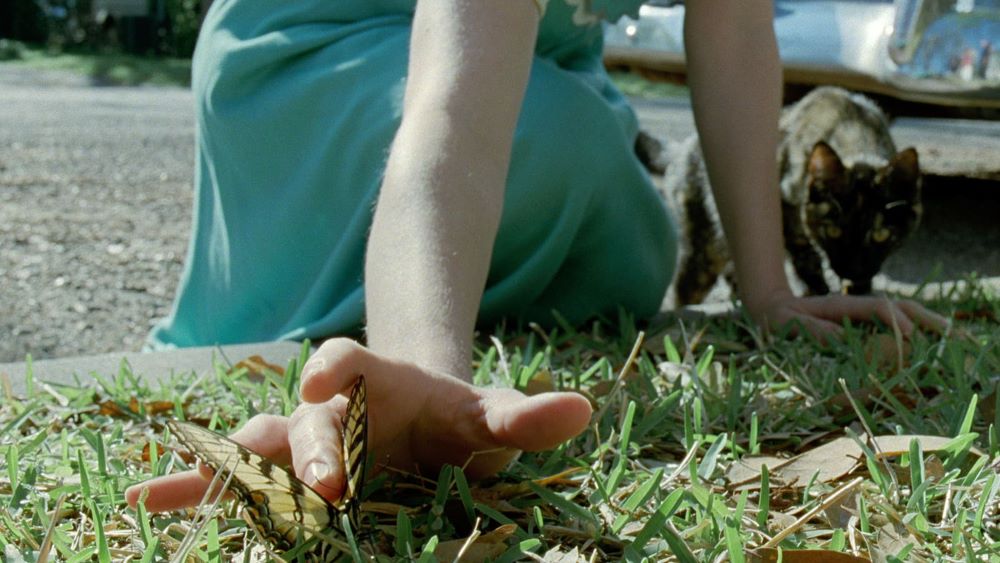
3. The Tree of Life (2011, d. Terrence Malick)
So heavily indebted to 2001: A Space Odyssey that it borrowed its special effects director (the legendary Doug Trumbull), Malick’s moody, achingly beautiful experimental melodrama represents the apotheosis of Malick’s style (even if, in our opinion, his Days of Heaven (1978) is slightly better). Nominally depicting the reminiscences of a middle-aged man (Sean Penn) burdened by a lifetime of tragedy, its frequent digressions into headier themes – environmental collapse, the dawn of the universe, the apocalypse – result in some of the most astonishing imagery ever put on celluloid. Perhaps the only film on this list which has to be seen on the big screen. (I like in70mm.com to keep track of that sort of thing.)
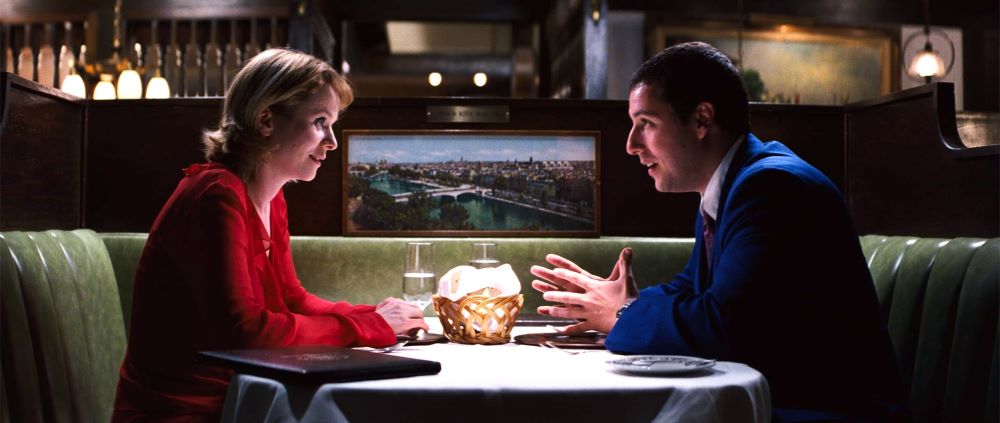
4. Punch-Drunk Love (2002, d. Paul Thomas Anderson)
The master of the cinematic two-hander, PTA gave us, in Punch-Drunk Love, the most off-kilter romantic comedy of the modern era. Depicting the trials and tribulations of Barry Egan (a never-better Adam Sandler), Love captures the beauty and absurdity of love, its sad sack protagonist navigating a series of incidents – among them an encounter with a discarded harmonium, and an ill-advised call to a phone sex line – as he awkwardly attempts to woo Lena Leonard (Emily Watson, also in a career-best performance). Very, very loosely inspired by the true story of a frequent flyer scheme involving pudding cups, Punch-Drunk Love is our feel-good film of the 21st century, and the one we regularly return to when feeling blue.
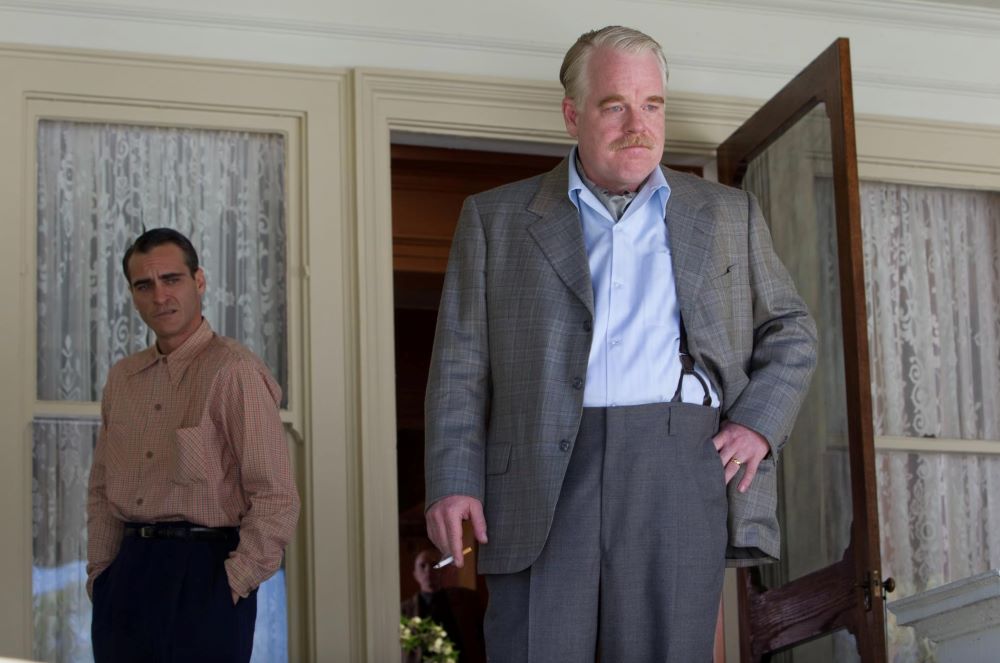
5. The Master (2012, d. Paul Thomas Anderson)
Speaking of PTA two-handers, Anderson’s astonishing, disturbing, extraordinary The Master – starring Joaquin Phoenix and Philip Seymour Hoffman (who was so memorable as the mattress man in Punch-Drunk Love) – is, for our money, cinema’s authoritative depiction of toxic masculinity (or perhaps toxic codependency). Phoenix delivers his greatest performance as Freddie Quell, a Navy veteran drawn into the vertiginous orbit of self-proclaimed “master” (read: L. Ron Hubbard-like cult leader) Lancaster Dodd (Hoffman), whose ideas about self-improvement and self-actualization are, shall we say, more than a bit unorthodox.
6. Memento (2000, d. Christopher Nolan)
Nolan’s breakout film is a 113-minute puzzle box, daring viewers to unravel its many, confoundingly arranged, threads. The film follows (or perhaps the better phrase is “tries to keep up with”) Leonard Shelby (Guy Pearce), an anterograde amnesiac with trouble remembering what happened moment to moment, for which he compensates by tattooing key information on his body. In order to mimic Leonard’s sensation of perpetual confusion, Nolan structures the film in reverse order, with its opening, contextless scene (and shocking act of violence) representing the chronological endpoint of a story which then retraces its steps backwards, revealing to the audience everything which came before – and which Leonard has already forgotten.
7. Man on Wire (2008, d. James Marsh)
One of only three documentaries to crack our list, James Marsh’s exuberant profile of highwire artist Philippe Petit, and his attempt to tightrope walk between the then-under-construction Twin Towers in 1974, plays like a cross between a traditional doc and a Hollywood thriller. Petit, the legendary performer who garnered international acclaim for stunts like tightrope walking above Notre-Dame de Paris, is an ideal subject: playful, mischievous, philosophical about the art and the beauty of his very specific brand of performance.
8. In the Loop (2009, d. Armando Iannucci)
The best political satire since Dr. Strangelove, Iannucci’s In the Loop, a spiritual spin-off of his brilliant (and criminally underseen) The Thick of It television series, brutally depicts the gross incompetence of the awful people we foolishly entrust with our governance. Protagonist Simon Foster (a very funny Tom Hollander) is a Minister in the British Government plagued by the stirrings of a conscience, as well as a fantastic habit of saying the wrong thing at the wrong time. Which, of course, lands him in hot water with the PM’s Director of Communications (a delightfully foul-mouthed Peter Capaldi), and at the heart of a grotesque UK-US conspiracy to launch an illegal war in the Middle East. Difficult, difficult, lemon difficult, indeed.
9. Eternal Sunshine of the Spotless Mind (2004, d. Michel Gondry)
Gondry’s ode to love and human connection is a timeless classic, effortlessly capturing everything from the spark of attraction to the pangs of falling in love, to, finally, heartbreakingly, what happens when things fall apart. Like our fourth entry, this is a seriocomic showcase for an otherwise famously silly comedian, Jim Carrey here blessed with the perfect role and the perfect counterpart – manic pixie dream girl Kate Winslet, doing her best to subvert the trope she more or less originated in this film.
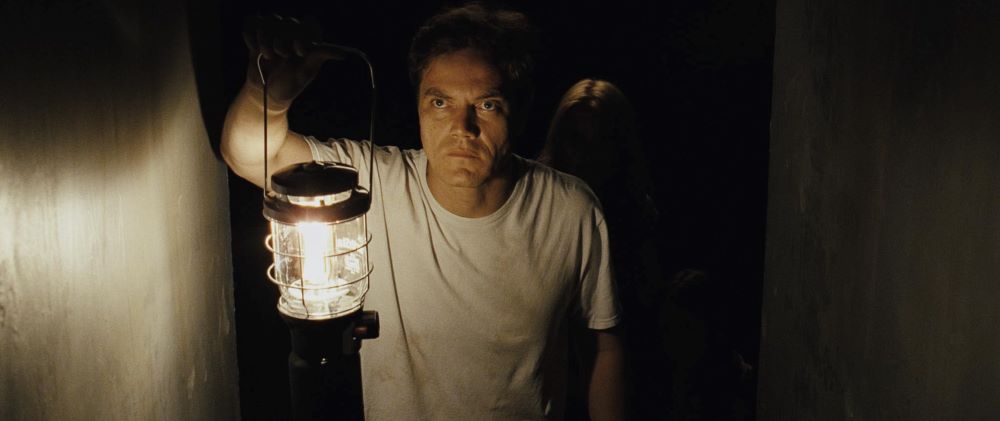
10. Take Shelter (2011, d. Jeff Nichols)
Nichols gifts long-time collaborator Michael Shannon the role of a lifetime as Curtis LaForche, a quiet, unassuming family man plagued by visions of impending apocalypse. Whether Curtis’s images are prophetic, or merely signs of mental collapse, remains a tantalizing mystery throughout, even as Nichols uses this light sci-fi set-up to meditate on themes such as masculinity, male fragility, familial bonds, and the power of belief. One of the few horror or horror-adjacent films which has made us cry, and we couldn’t tell you if those were tears of pity or of fear.
11. Winter’s Bone (2010, d. Debra Granik)
True story: at the conclusion of Debra Granik’s riveting Winter’s Bone, I turned to my moviegoing companion and said, “this young actress is incredible, too bad she’ll never make it in Hollywood.” While she had had a couple minor roles before this, nothing could have prepared us for Jennifer Lawrence’s star-making turn here. As teenager Ree Dolly, de facto single parent to several younger siblings, Lawrence is never anything less than amazing in this terrifying backwoods odyssey through the meth-infested Ozarks. Her Best Actress nomination, at twenty years old, made Lawrence the third-youngest nominee ever; she (wrongly) lost out to Natalie Portman.
12. The Barbarian Invasions (2003, d. Denys Arcand)
Another Oscar winner – in this case, Canada’s first-ever Best Foreign Film recipient – The Barbarian Invasions (Les Invasions Barbares) is a darkly funny dramedy about a dying man, strained relationships, and trying to find peace and acceptance amidst the indignities of aging. Rémy Girard reprises his role as “Rémy” from Arcand’s much earlier The Decline of the American Empire (1986), while Stéphane Rousseau is excellent as his son Sébastien, with a strong supporting turn from the wonderful Marie-Josée Croze (who, fun fact, got her big break in Denis Villeneuve’s Maelström).
13. O Brother, Where Art Thou (2000, d. Joel & Ethan Coen)
Further proof that the Coen Brothers are masters of whatever genre they set their mind to, this rambling, wildly entertaining, perfectly soundtracked musical-comedy is the best Coens film this side of the new millennium, anchored by sterling turns from George Clooney (lip-syncing to bluegrass singer Dan Tyminski), John Turturro, and a host of beloved character actors including Coens stalwarts John Goodman, Charles Durning, and the always-delightful Stephen Root. (Another fun piece of pop culture trivia: the title is a deep-cut reference to screwball comedy Sullivan’s Travels, perhaps the funniest film of the 1940s.)
14. Frances Ha (2012, d. Noah Baumbach)
Long before she sold her soul to a plastic toy company, Greta Gerwig starred in and co-wrote this charming anti-manic/pixie comedy about a dancer barely making ends meet in a Manhattan for which she is clearly out of her depth – emotionally, fiscally, and psychologically. Frances’s pathetic but amusing efforts to play it cool – like booking a solo trip to Paris on a maxed-out credit card – are endearing, even if we sometimes wish we could just reach through the screen and shake some sense into her.
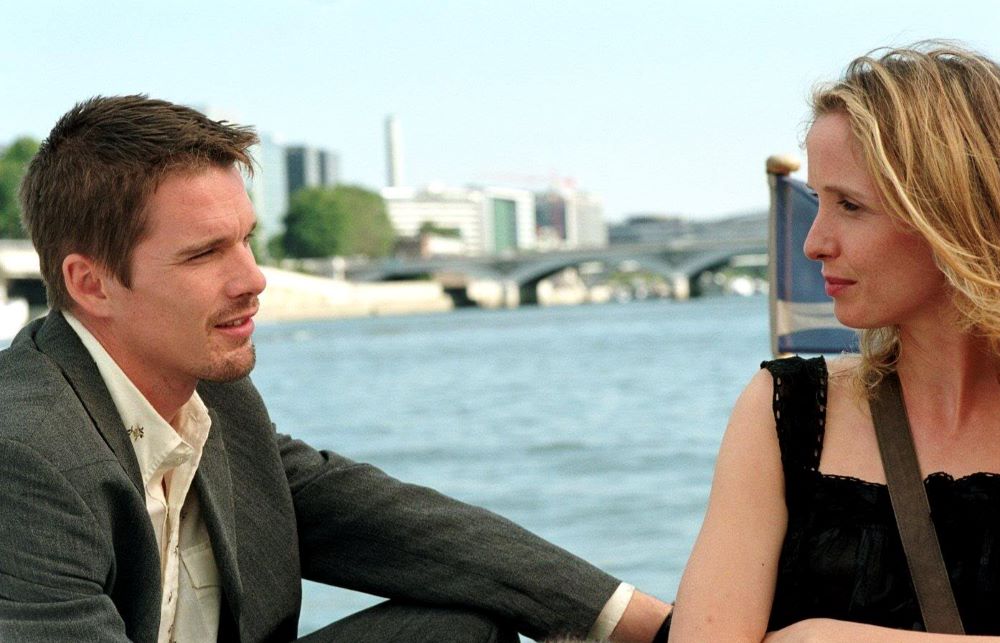
15. Before Sunset (2004, d. Richard Linklater)
Linklater’s near-perfect Before trilogy, which began in 1994 and seemingly concluded with 2014’s Before Midnight, reaches its midpoint with this enthralling, eighty-minute walk-and-talk reunion of Before Sunrise’s Céline (Julie Delpy) and Jesse (Ethan Hawke). And now for another true filmgoing story from your resident Guardian critic: because the film plays out in real time as one uninterrupted conversation (here in a beautifully realized Paris), and because that conversation is so riveting, I was genuinely confused when the credits rolled the first time I saw this, since it felt like I had only sat down five minutes ago.
16. Stories We Tell (2012, d. Sarah Polley)
Toronto legend Sarah Polley‘s unexpected, altogether fascinating documentary about a family secret – her family’s secret – is one of the all-time great Canadian films. Establishing, at first, its purported aim of unpacking the director’s complicated relationship with her actress mother, who died of cancer when Polley was eleven, the film quickly transforms into something else entirely, with at least two twists – small-scale in the grand scheme, but nevertheless guaranteed to leave audiences talking. Seeing this opening night at TIFF, with the Polley family in attendance, is one of our great cinemagoing memories.
17. Inside Llewyn Davis (2013, d. Joel & Ethan Coen)
The Coens’ other great 21st century film (sorry, No Country…) is a shaggy dog story about a shaggy character, the titular Llewyn Davis (Oscar Isaac), a struggling folk singer in 1960s Greenwich Village congenitally incapable of doing, saying, or even singing the right thing. Though it plays like a tragedy – you can’t help but feel bad for the guy – it’s also a very funny period piece about an unlikeable loser, buffeted by the winds of change. How many roads must a man walk down?
18. Dunkirk (2017, d. Christopher Nolan)
Nolan’s latter-day output has never been anything less than electrifying, this WWII thriller the best of the bunch. Echoing (consciously or unconsciously) the nonlinear structure of Memento, Dunkirk weaves together three parallel storylines involving the infamous evacuation of Dunkirk. In one thread, a young soldier (Fionn Whitehead) spends an anxious week on the beach awaiting rescue as German troops close in. In another, we follow the twenty-four-hour miracle of the “small ships” flotilla, in which a fleet of civilian sailors (an excellent Mark Rylance among them) traversed the English Channel in aid of rescue efforts. Finally, the film dips in and out of a one-hour aerial battle between an RAF Spitfire (piloted by Tom Hardy, no less) and a squadron German fighter planes, in a series of thrilling dogfight sequences to rival Top Gun.
19. Midsommar (2019, d. Ari Aster)
The most horrifying breakup movie of all time, Ari Aster’s sophomore effort is grotesque, unnerving, and psychedelic in all the worst possible ways. Florence Pugh is, as usual, phenomenal as Dani Ardor, a young woman reeling from recent tragedy, and saddled with a laughably awful boyfriend whom she clearly should not have accompanied on a research trip to a remote Nordic community. It’s a horror movie, a breakup movie, and the world’s most compelling anti-drug PSA all rolled up into one.
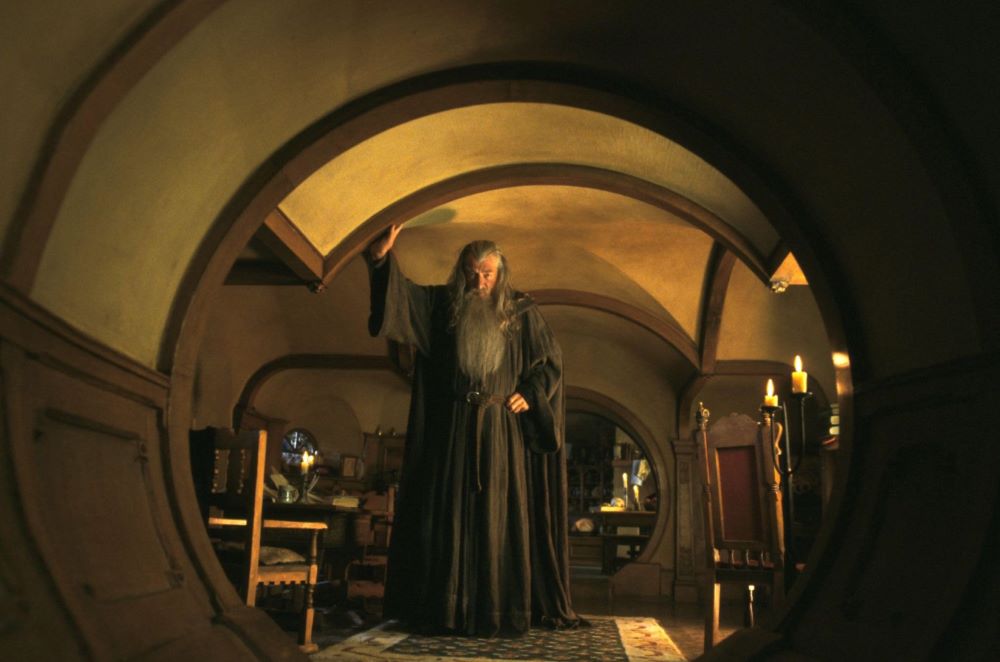
20. The Lord of the Rings: The Fellowship of the Ring (2001, d. Peter Jackson)
Even though, in one sense, Peter Jackson’s LotR trilogy does a disservice to the beauty and the poetry of Tolkien’s novels, even this imperfect adaptation – of which this first film remains the strongest entry – makes for an extraordinary cinematic experience. It’s tough to pick our favourite moment, though it’s hard not to feel goosebumps during the Mines of Moria sequence, especially once the Balrog rears its ugly, flame-breathing head. And yes, the Extended Edition is the only way to watch.
21. Annihilation (2018, d. Alex Garland)
Alex Garland’s compelling career arc – he adapted his novel The Beach for Danny Boyle, before collaborating with Boyle on 28 Days Later and Sunshine, only to branch out on his own with a series of increasingly off-kilter, horror-inflected thrillers – has been one of the great cinematic throughlines of the 21st century. Freely adapted from Jeff VanderMeer’s popular sci-fi novel, Annihilation follows a team of soldiers and scientists – Natalie Portman, Jennifer Jason Leigh, Tessa Thompson among them – sent to explore a mysterious, Stalker-like zone which has been bizarrely transformed by a horrifying alien influence. It’s intelligent, it’s scary, it’s quietly feminist – the main cast, with the exception of Oscar Isaac’s injured survivor, is entirely female – and it’s a hell of a trip.
22. Drive My Car (2021, d. Ryusuke Hamaguchi)
It’s one minute longer than the theatrical cut of Fellowship of the Ring, but occupies a wholly different, profoundly intimate, cinematic space. Drive My Car, adapted from a series of loosely connected Haruki Murakami short stories, focuses on theatre director Yūsuke Kafuku (Hidetoshi Nishijima, excellent), as he attempts to mount a multilingual production of Uncle Vanya at a prestigious theatre festival in Hiroshima. Haunted by tragedy and the sensation that his life is coming apart at the seams, Yūsuke bonds unexpectedly with the young, rough-hewn woman (Tōko Miura) assigned as his chauffeur. Languorously paced, with the best – and least expected – title drop in recent memory, it’s a film about people, about art, and about the simple act of living.
23. Encounters at the End of the World (2007, d. Werner Herzog)
Any decade’s best-of list is incomplete without at least one entry from Werner Herzog. After directing some of the best films of the 1970s (Aguirre, the Wrath of God), 1980s (Fitzcarraldo), and 1990s (Little Dieter Needs to Fly), Herzog’s 2000s output (which also includes Grizzly Man and Cave of Forgotten Dreams, both of which narrowly missed this list) reached its peak with the marvelous Encounters. Herzog, ever the eye for spotting unusual stories and unusual people, spent months in the Antarctic, capturing the lives of those – men, women, insane penguins – who call this extreme place home.
24. Petite Maman (2021, d. Céline Sciamma)
Though she came to prominence with a decidedly more famous queer historical romance, we think Sciamma’s follow-up, this low-key, quietly beautiful story about childhood, is even better. With a light dusting of magical realism, Petite Maman tells the story of a little girl (Joséphine Sanz) and her unusual week at her mother’s childhood home, where she befriends someone (we’ll stay carefully spoiler-free) altogether out-of-the-ordinary. Heavily indebted to Truffaut, that undisputed master of films about childhood, it’s a slim (72 minute), dreamlike fable.
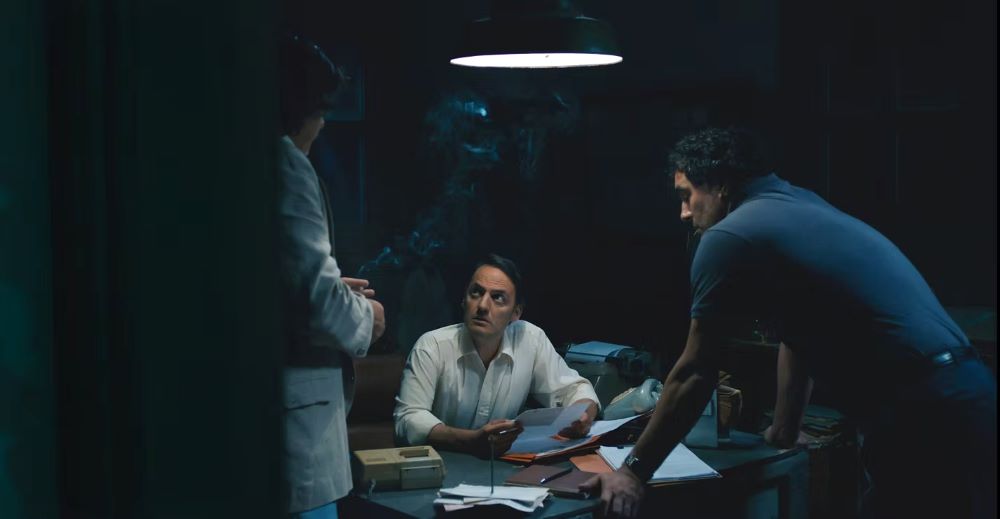
25. Azor (2021, d. Andreas Fontana)
Easily our most obscure pick, Andreas Fontanat’s bleakly thrilling Azor, a sort of Heart of Darkness/Apocalypse Now for 1980s Argentina, earns its spot through its brilliant, nauseatingly believable depiction of evil as a subtle, implacable, irresistible force. Centered on quiet, well-dressed Swiss banker (Fabrizio Rongione), recently deployed to Argentina at the height of its military dictatorship, Azor‘s deliberate, meditative pacing belies the sheer malevolence which guides its characters and their actions. As accurate a depiction of the nature of elite power structures as any of the great films about the evils of capitalism.
HONOURABLE MENTION / BONUS CAN-CON AWARD:
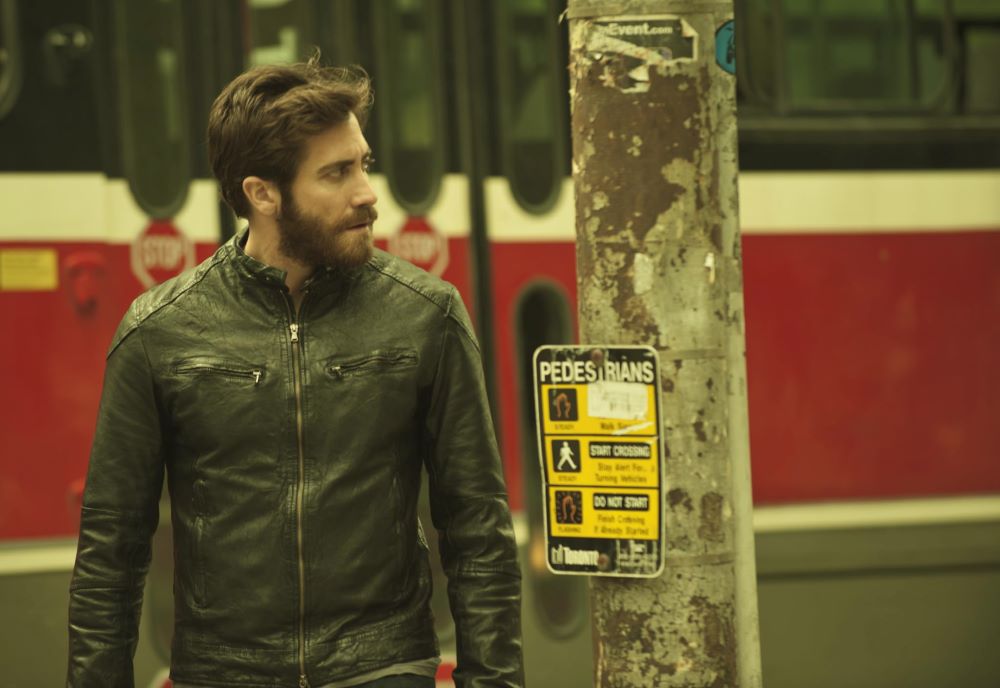
[TIE] Enemy (2013, d. Denis Villeneuve) / Scott Pilgrim vs. the World (2009, d. Edgar Wright)
After our first run at this article generated well over one hundred films, we couldn’t resist the opportunity to dole out a bonus, maple-blooded, totally-made-up award to a pair of CanCon favourites.
Two of the Torontoest movies to ever Toronto, Denis Villeneuve’s Enemy – about a meek University of Toronto Mississauga(!) professor (Jake Gyllenhaal) who encounters his sexier, more confident doppelgänger – and Edgar Wright’s Scott Pilgrim vs. the World – which, come to think of it, also involves a socially awkward hero (Michael Cera) meeting a mirror-world version of himself – constitute two wildly divergent takes on our eternally insecure city, so used to offering itself up as a cheap substitute for other, more glamorous places.
Of the two, Scott Pilgrim is by far the more entertaining film, with its hyperkinetic, uber-geek comic stylings and knack for visual and acoustic flourishes – just check out that Metric scene. Enemy is, however, the more interesting film, a psychosexual thriller which dares to imagine Toronto as an insidious, dysfunctional, hotbed of depravity.
Makes for a great double feature.
***
For more of our favourite films, check out our resident film critic’s Top 10 Films of All Time, as well as our picks for the spookiest films guaranteed to give you nightmares.