
Interac is the most widely used payment method in Canada for peer-to-peer (P2P) transfers. There’s a legitimate reason why it’s number one, and it comes down to one word—trust. It takes a lot for a financial service to gain consumers’ trust, and Interac proved that it can be done if it’s done right.
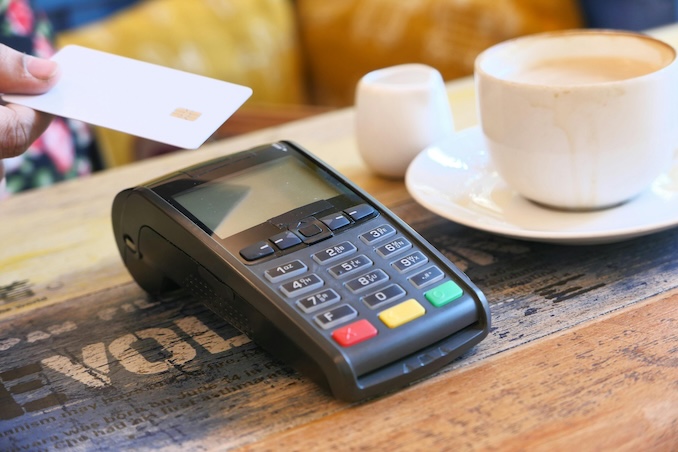
So how did Interac get to be number one in Canada? Well, it wasn’t an overnight success. But before we explain the details, let’s go over the primary ways financial institutions attempt to build trust.
Trust Drivers
Finances are one of every person’s most concerning aspects of their lives. Earning it, spending it and keeping it safe are top priorities for most people. They rely on financial institutions to protect their money—and while most do, not all meet this standard.
What are the primary reasons people choose one financial service over another? First, it’s the relationship—are they bank-backed or a stand-alone? With a legitimate bank behind them, the trust is almost immediate. Next is the security of their processes, where the money is stored and how robust their technology is. Speed is the next most important concern. Do their transactions settle almost immediately, or do they take days? Finally, but equally important, are fees. Even small transaction fees add up, so lower—or zero—fees help increase trust. Of course, that is provided they don’t come at the sacrifice of the previous three conditions.
The Interac Story
Interac has gained the trust of Canadians and many big businesses, including online casinos that accept Interac by ticking off every box listed above. Here are the company’s milestones by date:
1984 – Bank-Backed Foundation
The Interac Association was created in 1984 when five major Canadian banks: RBC, CIBC, Scotiabank, TD and Desjardins came together to solve an issue that affected all the banks—ATM usage and fees. Customers of RBC, for example, could only withdraw cash from their proprietary ATMs. If there wasn’t one convenient for the customers, they struggled to access their cash. The five banks agreed to create one shared network so that customers could withdraw cash from any member bank’s ATM.
1986 – Shared Cash Dispensing (SCD) Launched
It took two years of planning, but by 1986, the association expanded to include Bank of Montreal, Canada Trust, Laurentian Bank, National Bank and Credit Union Central.
The launch of SCD was a success. Clients of any of those 10 financial institutions could withdraw from any other bank’s ATMs in the network, without a fee. In the first year alone, there were 6.2 million SCD transactions.
Interac began with a foundation built by Canada’s major financial institutions, which continue to own it today, helping maintain long-term customer trust.
1990 – Interac Direct Payment (IDP) and Debit Pilot
Four years later, Interac released a debit card with its unique IDP PIN-based system, where encryption happens at the central server (not stored on the card). Shoppers could now use their debit card—linked to whichever one of the 10 banks in the network they choose—and make point-of-sale (POS) purchases in stores instantly. This level of PIN encryption at the central server is more secure than standard signature or card-based PIN systems. Another bonus to the system, and part of the reason for its success, is that these transactions remain fee-free.
This shift changed customer attitudes toward PIN security. By the end of the 1990s, Canadians had become the world’s highest per-capita debit users, and by 2001, IDP transactions exceeded cash transactions.
Interac’s 1990 debit card launch demonstrated its commitment to customer security and its position as a frontrunner in payment technology. It also demonstrated Interac’s ability to offer fee-free daily transactions, building further customer trust.
2003 – e-Transfer Launch
In 2003, Interac continued its tech-forward approach by launching the country’s first bank-to-bank transfers via email address and SMS. This meant that bank details weren’t shared, keeping this information private. These transactions were safe, secure and settled almost immediately. There was once a minimal fee to send money—typically $0.50–$1.50 per transfer—but receiving funds was always free. Nowadays, e-Transfers are free to send via most banks.
In 2020, the Bank of Canada officially designated Interac e-Transfer as Canada’s “prominent payment system,” requiring Bank of Canada oversight to ensure it adheres to strict risk management standards and remains safe and viable for Canadians.
2026 and Beyond
Today, Interac performs over 20 million transactions daily. It’s estimated that over 90% of Canadians use Interac, and there are over 59,000 ATMs in its network and more than 450,000 merchant partners.
Interac can be used in many ways, including:
- Withdrawing cash from any ATM across Canada
- Making purchases at retail stores with debit cards
- Paying rent to landlords
- Person-to-person transfers via e-Transfer
- Splitting restaurant bills with friends
- Making online purchases directly from bank accounts
- Purchasing groceries
- Paying for services (haircuts, repairs, etc.)
- Cross-border purchases in the US
- International remittances (via Western Union partnership)
- Making deposits to online casinos in Alberta and other provinces
- Paying utilities and bills
- Contactless payments (Interac Flash)
- Paying Canada Revenue Agency
- Business payments and payroll (for employers)
What makes Interac particularly distinctive in Canada is that it doesn’t have direct competitors, as it does everything related to financial transactions that most Canadians require. PayPal exists as a secondary domestic payment system, and Wise exists as predominantly a cross-border payment service. Interac dominates with over 60% market share in Canadian e-commerce.
Interac in Canada has proven its trustworthiness to its customers by providing secure, bank-backed, advanced technology, immediate settlements and many fee-free offerings. Not many financial institutions across the globe can say the same.
