
If you ride regularly in Toronto and plan to cross into the U.S. by bicycle, you might think the laws on riding are similar. This is partially true, yet there are fundamental differences.
The laws of both countries with respect to bicycles can affect your experience riding in Canada vs. the United States. This includes but isn’t limited to the requirements for using lights on bicycles, the penalties for getting doored while riding your bicycle, the definition of an electric bicycle, and post-collision paperwork.
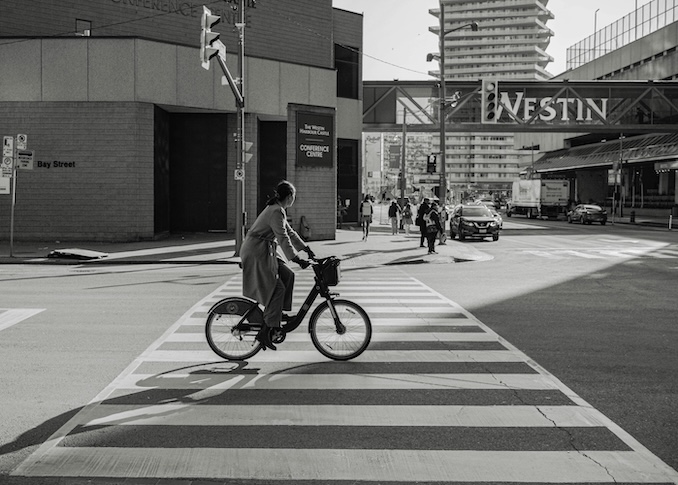
Here are some common differences between the Canadian and U.S. bike riding experience
Required Lighting
If you are riding at night in Ontario, you must have the following equipment:
- White front light
- Red rear light or reflector
- Reflective material on your pedals or tires.
Most states in the U.S. have similar requirements as far as lighting equipment. However, there are some differences concerning whether or not your equipment meets the specifications set forth in the various states. For example, most states will require one or both of the following:
- Rear reflector
- Lights are visible from a certain distance.
Before riding in a state, determine if your riding light(s) meets the state guidelines for visibility requirements. Preparing early can help you avoid getting into legal trouble.
Right of Way and Dooring
Bicycles are considered vehicles in both countries, which means that you must obey all traffic laws, including stopping at stop lights and stop signs and yielding to traffic as required by law. Certain states in the United States allow exceptions. For example, some states will allow cyclists to treat stop signs like yield signs (Idaho Stop). Dooring (opening a car door into the path of a cyclist) is a serious issue in both countries. However, the penalties for dooring vary depending on where you are. For example, in California, the California Vehicle Code and case law provides very specific rules regarding right of way, safe passing, dooring rules and the assignment of fault as a result of an accident.
A California bicycle accident lawyer can help you understand your legal options if you find yourself involved in an accident. Both Canada and the U.S. regulate e-bikes but do so differently. In Ontario, e-bikes are regulated by their power output, maximum speed, helmet and age requirements.
In the United States, e-bikes are usually divided into three classes, which determines where an e-bike can be ridden. In both countries, wearing a helmet is generally required for minors. But as with everything else, local rules may be different. Wearing a helmet may also impact the outcome of a liability determination after a collision.
After a collision has occurred
In Ontario, if a collision occurs causing injury or damage to property, it must be reported to the police. In the USA, each state has its own threshold and all states will use some combination of either injury, property damage, or both. You should understand the reporting requirements for that particular location so that you do not inadvertently miss your reporting obligation.
Pre-Planning Before Crossing the Border
Any cyclists from Toronto who plan on riding in the USA should verify the following: the night lighting requirements, definitions and allowable conditions of use for e-bikes, penalties for dooring, and collision reporting thresholds.
USA state laws are very similar to one another so you can use this basic premise to confirm the specific details. This way, you will set yourself up with the best opportunity to avoid fines, confusion, or liability due to lack of knowledge.
