
The Toronto Islands are a chain of small islands just off the downtown core of Toronto in Lake Ontario, connected by ferry or water‑taxi from the foot of Bay Street. The islands form a car‑free park zone with beaches, trails, family attractions, and a unique residential community.

Originally a long sand‑bar or peninsula, a major storm in 1858 breached the land, creating a separation from the mainland and forming the island chain. Over centuries, natural processes combined with human intervention shaped the islands into their current form.
How They Came to Be
The geography of the Toronto Islands is rooted in glacial and post-glacial processes: as the glacier receded and Lake Iroquois turned into modern Lake Ontario, sand and sediment carried westward from the Scarborough Bluffs gradually built up a sandbar system. Wind, waves, and human-assisted landfill helped shape the islands we know today.
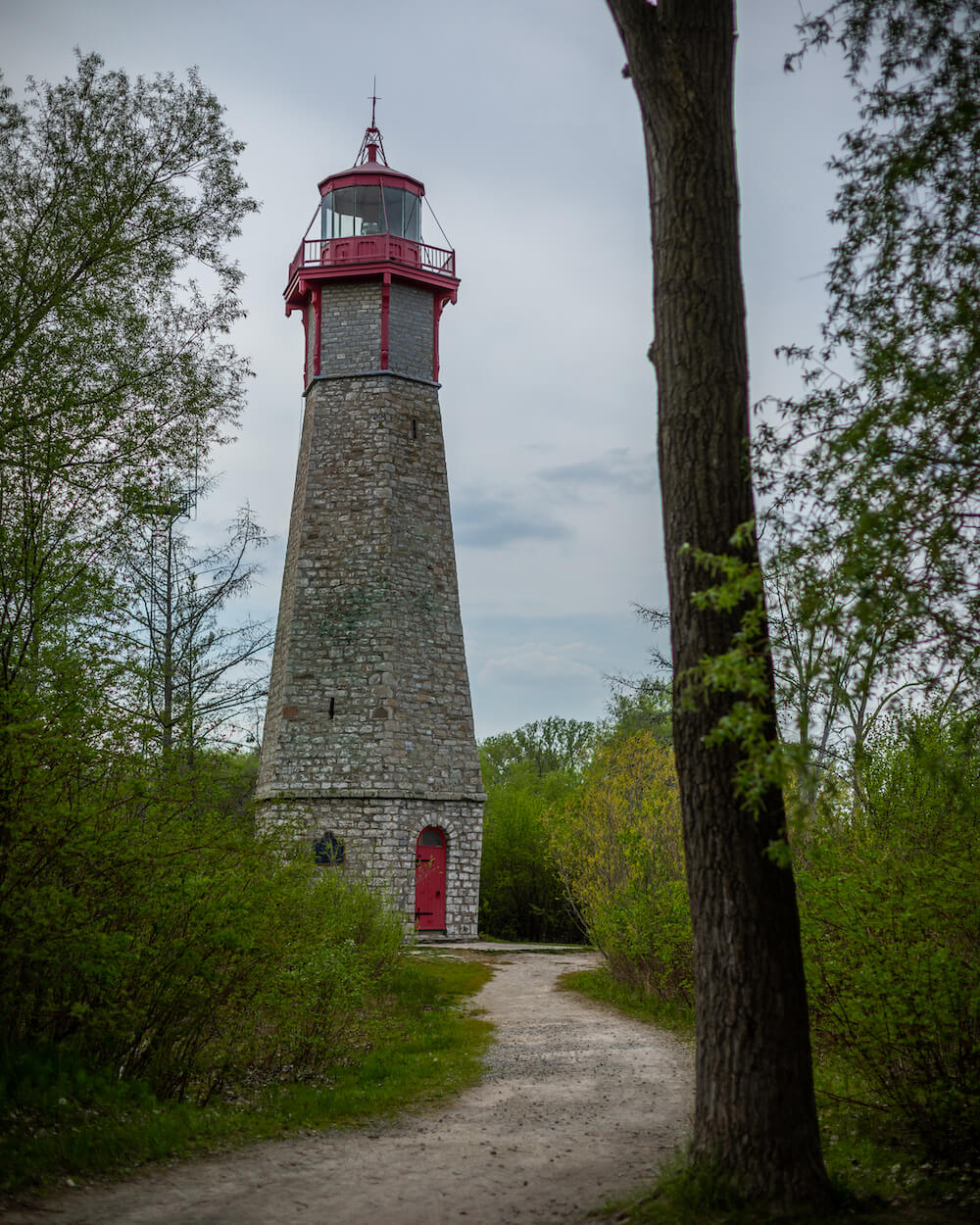
Indigenous peoples originally used the islands for fishing, gathering, and seasonal movement. European settlers later recognized the islands’ recreational potential. In 1808, the Gibraltar Point Lighthouse was built on Hanlan’s Point, making it the oldest lighthouse on the Great Lakes and one of Toronto’s oldest stone buildings.
By the late 19th and early 20th centuries, parts of the islands were home to amusement parks, resort hotels, cottages, and summer communities. Hanlan’s Point Amusement Park, operating from the 1880s to the 1930s, featured roller coasters, diving horse acts, and midways.
After World War II, the city of Toronto and metropolitan planners shifted toward a unified public park vision. Some residential leases were terminated, amusement park rides removed, and large-scale recreational planning implemented, creating the foundations for the islands’ modern form.
The Main Islands & What They Offer
Centre Island
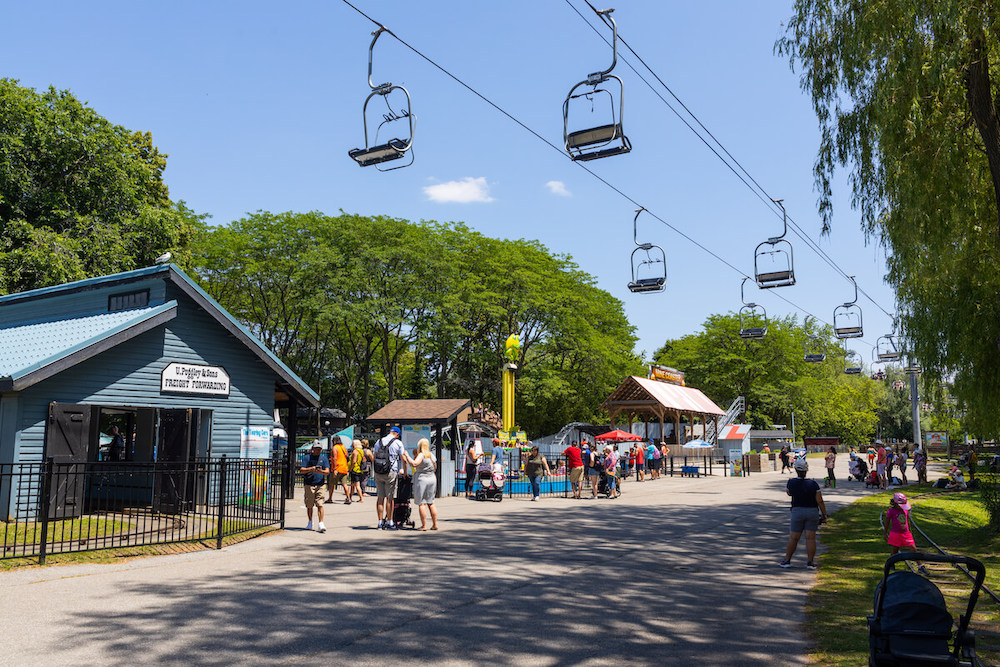
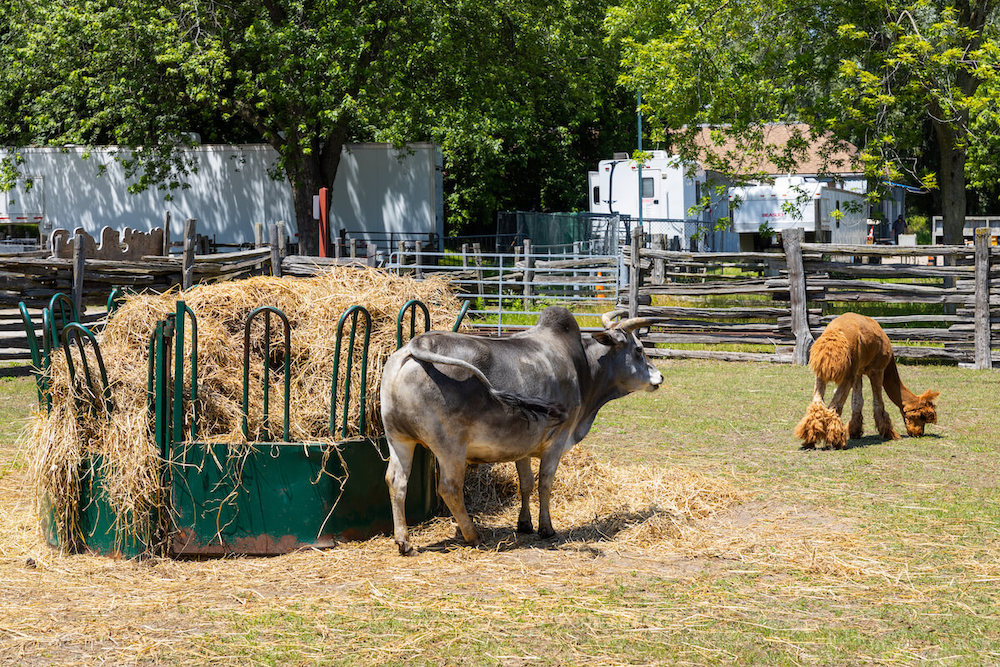
Centre Island is the most visited and developed of the Toronto Islands, offering a family-friendly mix of attractions, green space, and waterfront views. It is home to Centreville Amusement Park, a nostalgic theme park with a historic carousel, kiddie rides, and classic attractions. Far Enough Farm, also on Centre Island, lets children interact with farm animals like ponies, goats, rabbits, and chickens, making it a favourite for family visits.
Centre Island also features the William Meany Maze, a cedar hedge maze inspired by the original Centennial Maze of 1967. Visitors can enjoy picnic areas, open lawns, and beaches for swimming. Walking and cycling trails connect the attractions, making it easy to spend a full day exploring. Historically, Centre Island was once the site of resorts and hotels in the late 19th century, which drew tourists from the city for leisure and recreation.
Ward’s Island
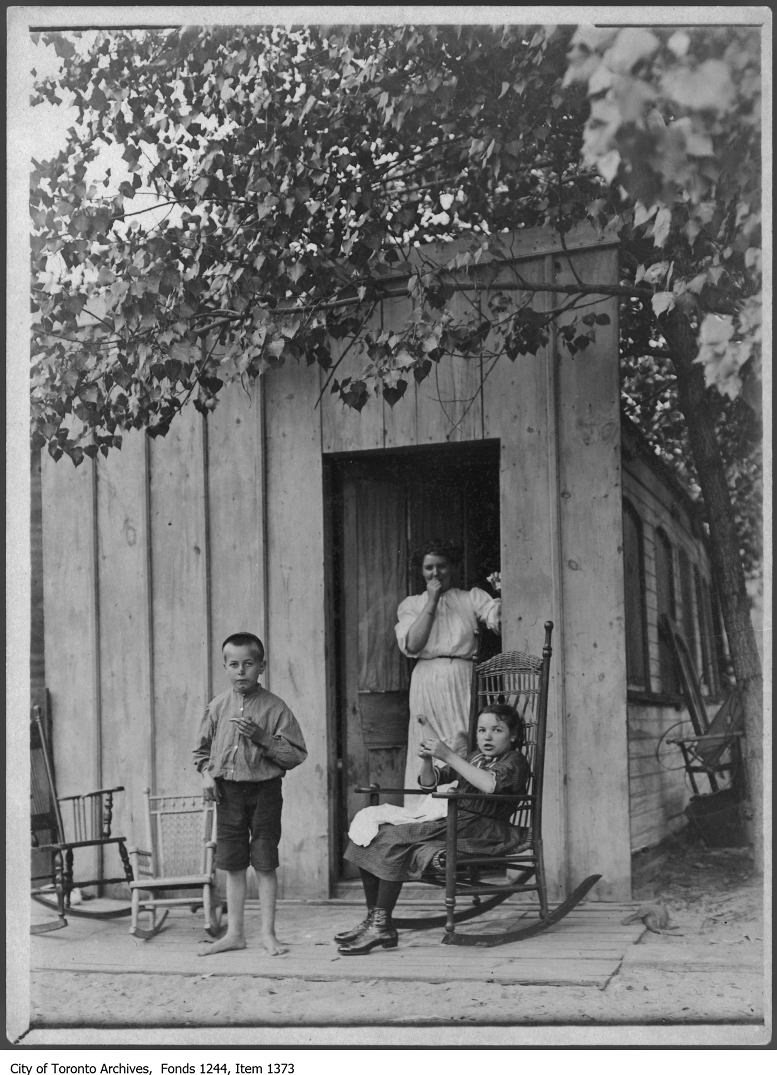
Ward’s Island is notable for its residential community, where families live in cottages and homes on leased land. The community is car-free, with ferry or water access only, creating a quiet, village-like atmosphere. Residents have fought for generations to maintain their homes, successfully preserving the area’s unique character amid city planning pressures.
Beyond homes, Ward’s Island offers small beaches, gardens, and walking paths that provide scenic views of Lake Ontario and the Toronto skyline. While less developed for commercial tourism, it attracts visitors interested in nature walks, quiet beach outings, and glimpses into one of Toronto’s rare island communities. Its history stretches back to early settlers and seasonal cottages from the late 19th and early 20th centuries.

Hanlan’s Point
Hanlan’s Point, located at the western tip of the islands, is famous for its beaches, open meadows, and recreational trails. It hosts Hanlan’s Point Beach, which includes Toronto’s legal clothing-optional/nude beach section — a unique draw for locals and tourists seeking a liberal beach experience.
Historically, Hanlan’s Point was home to an amusement park and resort in the late 1800s and early 1900s, featuring roller coasters, diving horses, and midways. Today, it retains historic landmarks like the Gibraltar Point Lighthouse, the oldest lighthouse on the Great Lakes, dating back to 1808. Visitors also enjoy picnicking, bird-watching, and walking along lakeside trails. Hanlan’s Point has a relaxed, open atmosphere compared to Centre Island, making it popular with visitors seeking a quieter, more natural experience.
Algonquin Island
Algonquin Island is the smallest of the inhabited islands, primarily residential, with a few cottages and homes accessible by ferry. Like Ward’s Island, it is car-free and offers quiet walking paths and natural areas. While there are no major amusement attractions, it provides beautiful waterfront views, bird-watching spots, and peaceful beaches for those seeking solitude away from the more heavily trafficked Centre and Hanlan’s Point areas. The island has historical significance as part of the residential community network and is linked closely with Ward’s Island life.
Key Attractions
-
Far Enough Farm (Centre Island): Children’s barnyard with ponies, rabbits, chickens, and other animals.
-
Centreville Amusement Park: Classic family amusement rides including a historic carousel.
-
William Meany Maze: Hedge maze inspired by the original Centennial 1967 maze.
-
Nude Beach at Hanlan’s Point: One of Toronto’s few legal clothing-optional beaches.
-
Beaches & Nature Trails: Boardwalks, dunes, and bird-watching in environmentally significant zones.
The Island Communities
The residential areas on Ward’s and Algonquin Islands are car-free, with ferry-only access. Homes are often passed down through generations, creating a unique community distinct from mainland Toronto. Residents rely on ferries, bikes, and walking paths, contributing to a relaxed, village-like environment.
How Each Area Came to Be
-
The islands split from the mainland after the 1858 storm.
-
Resort and amusement eras flourished in the late 19th and early 20th centuries, particularly at Hanlan’s Point and Centre Island.
-
Post-war planning emphasized public access, open park space, and recreational amenities.
-
Residential leases, docks, and infrastructure were preserved or modernized to maintain balance between community, leisure, and ecology.
Why the Toronto Islands Matter
The Toronto Islands provide a rare urban escape: a car-free, ferry-accessible space blending nature, history, community, and recreation. They offer city residents and tourists a place to walk, swim, bike, ride ferries, explore the maze, enjoy amusement rides, and take in skyline vistas.
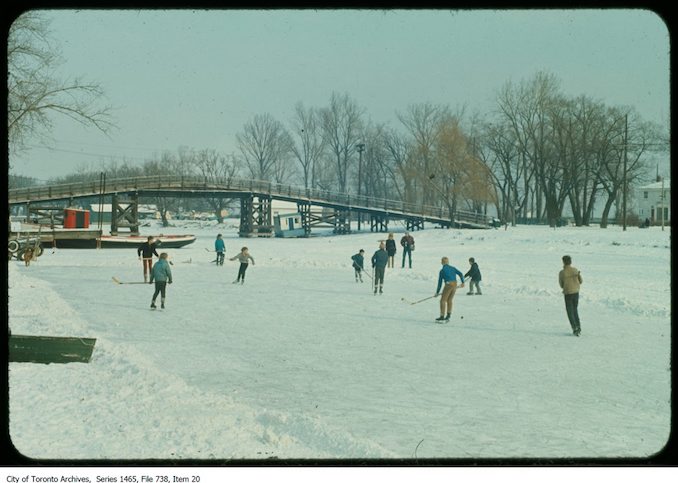
The islands highlight Toronto’s evolving relationship with its waterfront: from industrial and transportation use, to amusement resorts, and finally to a preserved public park with a mix of residential, recreational, and ecological purposes.
Quick-Guide: Top Tips for Visiting the Toronto Islands
Getting There:
-
Ferries run from Jack Layton Ferry Terminal (Bay Street). <See Schedule>
-
Water taxis are available for faster, direct access to specific islands.
Must-See Attractions:
-
Centreville Amusement Park: Family rides and classic carousel.
-
Far Enough Farm: Hands-on animal experience for kids.
-
William Meany Maze: Fun for all ages.
-
Hanlan’s Point Beach: Clothing-optional area with open meadows.
-
Ward’s Island Village: Explore the residential community and gardens.

Other Tips:
-
Bring bikes or rent on the islands for easier travel.
-
Pack picnic supplies — many scenic areas have lawns and benches.
-
Check ferry schedules, as frequency varies by season.
-
Respect the residential areas; they are private homes.
-
Wear sunscreen and comfortable shoes; much of the islands is walking-only.
For more historic photos of the Toronto Islands check out of gallery of images from a previous post.