Despite rumours to the contrary, ballet is, in fact, alive and well, as evinced by this month’s marvellous returning production of Pinocchio. Created by director/choreographer Will Tuckett for the National Ballet back in 2017, it marks its return this March after nearly a decade.
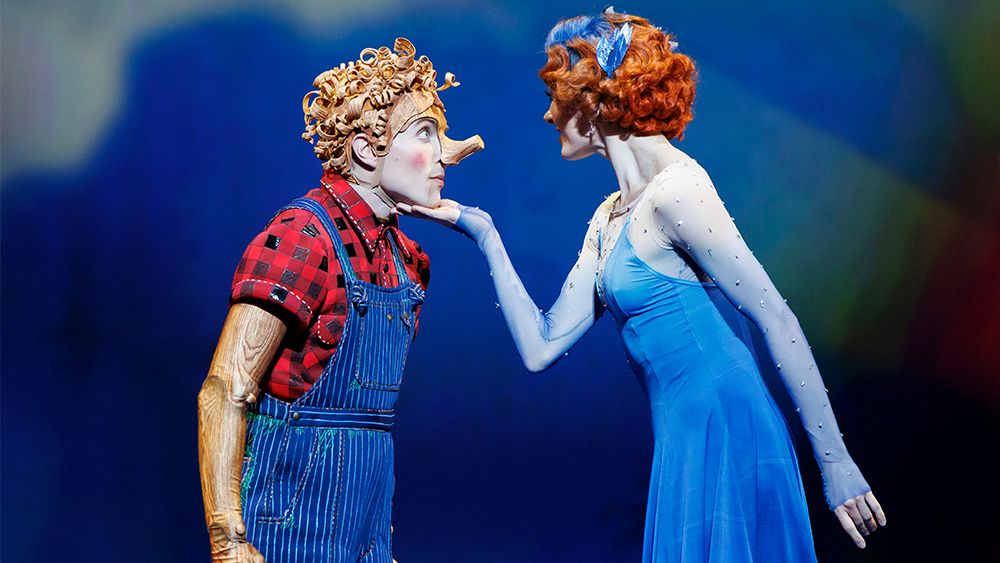
Pinocchio, a National Ballet commission, reimagines the classic Italian fairy tale as a Maritimes-set, Canadiana-heavy adventure – Jimininy Crickets are out; dancing moose are in.
A wonderful showcase for Canada’s world-class ballet company, with a fantastic score from English composer Paul Englishby, it’s a great, family-friendly work arriving just in time for March Break.
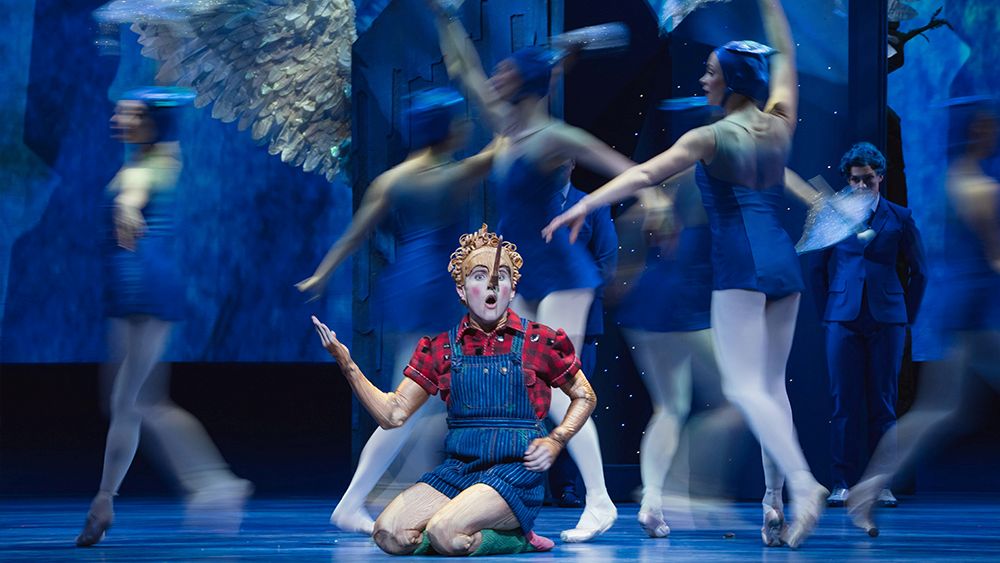
Today familiar from the Disney film and other (weirder, Roberto Benigni-starring) fare, Carlo Collodi’s Pinocchio originated in the 19th century as a series of stories for Italian children. Splitting the difference between those original stories and an overt Disney influence (as if the Disney-brand Pinocchio merchandise in the gift shop wasn’t a giveaway), the National Ballet Pinocchio portrays the adventures of the wooden marionette – accompanied by a number of animal friends, albeit no cricket (a Disney invention) here – as he pursues his dream of one day becoming a “real boy”.
With key roles for the boy-puppet (Noah Parets, David Preciado, and Alexander Skinner rotating between performances), the Blue Fairy (Beckanne Sisk, Koto Ishihara and Agnes Su), and Pinocchio’s creator/father Gepetto (Larkin Miller, Donald Thom Josh Hall), the show is a start-to-finish delight.
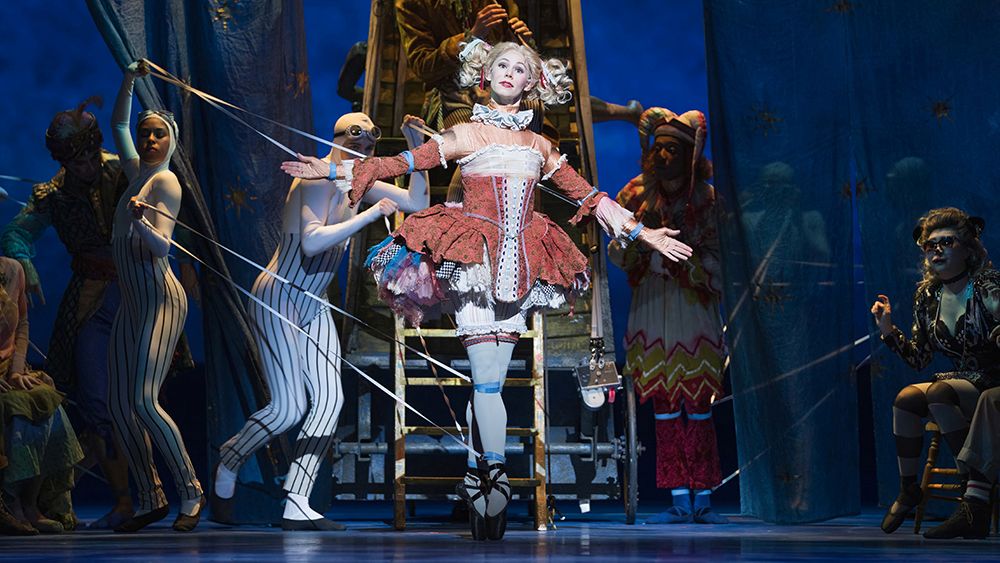
Highlights include a “dance of the puppets” (the dancers ingeniously “strung” together by white ribbons), a mildly frightening carnival sequence featuring the infamous donkey-children (who, the show subtly implies, are devoured by hungry carnivalgoers off stage), and – our favourite – an extended underwater sequence which precedes the arrival of the whale that will swallow Pinocchio whole. (The whale itself is a disappointment, inexplicably rendered as a CGI steampunk submarine which in no way fits the ballet’s aesthetic.)
Shout-out too to the mischievous Fox (Isaac Wright at our opening night performance) and Cat (Jenna Savella for opening), the comic relief/sidekicks who act as a pair of guides of sorts for Pinocchio’s journey out into the world. The carnival barker/ringmaster (Naoya Ebe), also makes the most of his limited stage time, appearing suitably creepy. (Why these kids trust him is beyond me, but then I said the same thing about Gene Wilder’s Willy Wonka.)
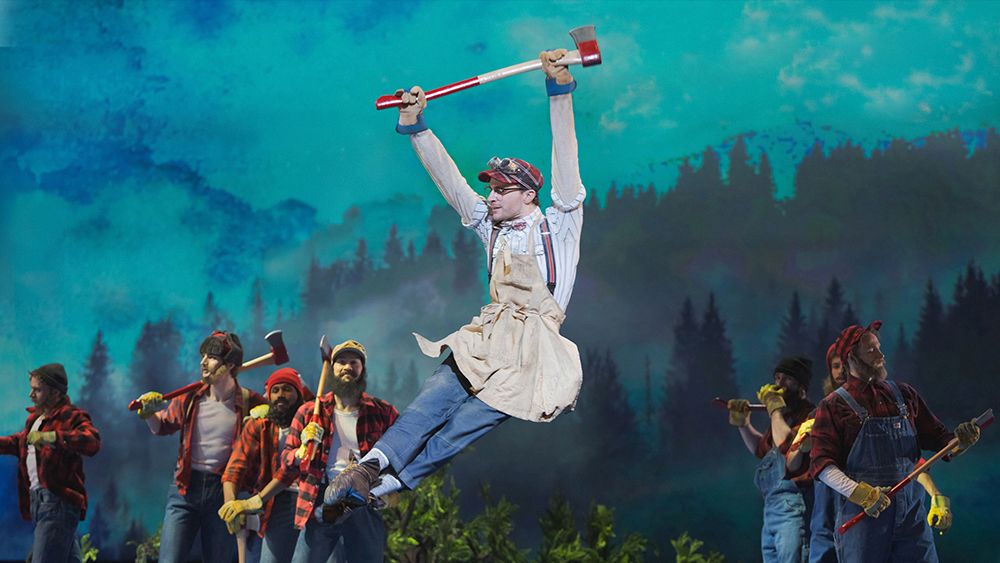
While we perhaps could have done with less Canadiana in the production design – between the dancing lumberjacks, the Mountie, and the pair of Niagara Falls tourists (replete with Maid of the Mist rain ponchos), it’s a lot – the ballet’s biggest mistake is its reliance on spoken word. Rarely a scene goes by that isn’t interrupted by a dose of terribly written, declamatory poetry – Pinocchio, you must be good / It’s time for you to leave these woods!, that sort of thing – which adds nothing, and in fact detracts from the experience.
Kids have been enjoying Swan Lake, The Nutcracker, and The Sleeping Beauty without verbal hand-holding for centuries; it’s frustrating that our otherwise stellar ballet company couldn’t trust their intelligence when it came to this production.
Finally, it wouldn’t be a National Ballet performance without a stellar turn by the Corps de Ballet, that criminally underappreciated group of dancers who form the heart of the company, and whose trials and tribulations are movingly captured in the recent CBC documentary series, Swan Song. The Corps, portraying everything from dancing raccoons to
***
The National Ballet’s Pinocchio runs March 13-22, 2026.