Iceland is considered one of the safest places in the world, especially for women travellers. The city of Reykjavík offers so much to see and do. But there’s more to this stunning Nordic country! Whether you’re looking for somewhere to slow down or to fill your curiosity cup, take this First Timer’s Guide to The Best of Reykjavík, Iceland, along with you for an unforgettable and inspiring getaway.
Here’s what to see and do in and around the land of fire and ice!

ARTS & CULTURE
Reykjavík is home to a rich array of art galleries and museums worth exploring. For lovers of contemporary art, the Reykjavík Art Museum—located in the harbour area—is an ideal place to start. Currently exhibition featuring the work of Steina Vasulka, the renowned Iceland-born media artist whose practice was deeply inspired by sound.
The museum also houses an extensive collection by another celebrated Icelandic artist, Erró, best known for his bold paintings and collages that draw from pop culture imagery. A must-see!
The National Museum of Iceland is a great visit for a few hours to explore over 2,000 artefacts and learn about the history of the country and early Viking settlers.

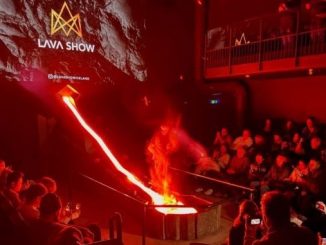
Iceland is home to approximately 63 volcanoes, with a handful having been active in recent years. But not to worry—Icelanders are exceptionally prepared. To truly understand the country’s volcanic power, a visit to The Lava Show in Reykjavík is essential. This is far more than a typical visitor attraction; it offers fascinating, science-backed insights alongside historical context that brings the story of lava to life. Most remarkably, visitors have the rare opportunity to safely get close to real, flowing molten lava (1,100°C / 2,000°F), gaining a visceral understanding of its immense power and the destruction it can leave behind. This is a must-experience attraction!
Harpa is one of Reykjavík’s cultural destinations and home of the Iceland Symphony Orchestra, is worth a visit at any time of year. Check their schedule for any performances. Check out “The Ascension”, where new voices across trends and music styles are explored. Their gift shop is a well-curated collection of beautiful Icelandic-made goods.

For something quirky, visit the Punk Rock Museum located at the curiously right at Bankastraeti Zero — a former public washroom with stalls still intact. Just don’t use them. It’s a small but fascinating look at punk rock history in Iceland.
Speaking of quirky and unusual, The Icelandic Phallological Museum is one you may want to explore. The collection started with modest personal collection when founder and original curator, Sigurður Hjartarson, was given a bull penis pizzle as a joke by his teaching staff when he worked as a headmaster in the small town of Akranes. Giving him a phallus became an ongoing joke. Sigurður got some interesting specimens, and an interest in collecting more mammal species developed. This museum has grown into the world’s only museum dedicated to phallology, featuring donations from across the globe. This unique attraction remains entirely independent and family-owned. Giggles aside, it’s a popular one to put on your list!

LITERARY CULTURE
Reading and writing are very much part of the fabric of Iceland. In fact, the country leads with a 99% literacy rate (source: Icelandic National League of North America) and has been a very important part of Iceland’s culture for centuries. During the Christmas season, they have Jólabókaflóðið, a tradition of giving books as gifts.
With such a strong literacy rate, it also means you’ll find bookstores everywhere in Reykjavík! Aside from bringing home local literature for yourself or for gifts, you may want to visit Hús Máls og Menningar (The House of Speech and Culture), where The Bookstore Band plays nearly every night of the year between 8 pm to 11 pm. It’s one of the most affordable and fun nights out in Reykjavik.

DAY TRIPS OUT OF THE CITY:
Exploring Iceland on your own is absolutely doable, especially when the weather is on your side. But if you’d prefer to sit back, relax, and simply take in the breathtaking scenery, going with a trusted tour company is a wonderful option. On this visit, we booked with Icelandia / Reykjavík Excursions and enjoyed a comfortable, well-paced day tour that hit all the highlights—making it an especially lovely choice for first-time visitors to Iceland.
Golden Circle Tour is about a six- hour excursion taking visitors to three major points of interest: Geysir geothermal area (where Strokkur Geyser naturally spews out 30 metres of water from its spout every few minutes), Gullfoss Waterfall and Thingvellir National Park (UNESCO World Heritage Site). There are some great add-on options, including visiting Friðheimar, a sustainable greenhouse farm.
The South Coast Wonders tour is a 10-hour tour with breathtaking stops along the way. Visit the stunning Seljalandsfoss and Skógafoss waterfalls, walk along the famous Reynisfjara Black Sand Beach, famous for its basalt columns. Admire the Sólheimajökull Glacier, and explore the charming village of Vík. The drive itself is beautiful as you pass through the rugged and picturesque terrain of Iceland. Note: Bring your waterproof rain gear if you intend on walking behind the Seljalandsfoss Waterfall!

NORTHERN LIGHTS HUNTING:
Most people visit Iceland with the hopes of seeing the Aurora Borealis. But it’s never a guarantee. That’s why on a recent visit, I had booked with Aurora Viking. They are serious about hunting down nature’s best light show and it’s a great experience! This expertly guided experience is also based on science and real-time data for a great chance of a sighting or two. The group is also smaller, so you’ll venture out in a van rather than a large tour bus. They can venture into remote viewing locations that larger vehicles cannot navigate.
You can research how to take the best photos to capture the northern lights on your phone or DSLR camera. I carried my iPhone 16 Plus (night mode and stayed super still) and was able to get great photos.
However, their guides will also take professional photos on the spot, so you can really enjoy the moment without fumbling in the dark. They will send via email within 48 hours. You can read my experience here.

GEOTHERMAL SPAS IN ICELAND:
Iceland is a country that has nearly 50 natural hot springs and dozens of thermally heated public pools and spas in the surrounding areas of Reykjavík. So, it’s no surprise that bathing in the therapeutic warm waters is part of the culture and popular for locals and visitors alike. Two of the most popular for tourists are the Sky Lagoon and the Blue Lagoon.
Sky Lagoon is known for offering a seven-step Skjólritual that incorporates all your senses for a beautiful, relaxing experience. The first step is stepping into the Laug geothermal waters with a sweeping view of the horizon that immediately unwinds stressed-out souls. Then, the easy-to-follow path leads you to Kuldi for an invigorating outdoor cold soak before heading indoors to the saunas, rain mist room and more. Mýkt, the area where their famous gentle scrub is used to help soften the skin. Take your time at Sky Lagoon and enjoy a bite at their casual cafe on site before heading back to the city.

There’s no need to rush here. Check-in times help pace out the number of people enter but it never felt crowded when we visited. There are beautiful private shower rooms that you can pay a little extra to use as well. Many choose to go for the epic sunset. We allocated 3.5 hours here.
Blue Lagoon is another very popular destination for visitors. The natural silica and the “blue” mineral-rich warm geothermal waters create a soothing way to enjoy your time in Iceland. It can get busy here, but it’s efficient. There’s a café on site for light meals, snacks and beverages. There is also LAVA, a beautiful full-service restaurant, to enjoy a meal featuring finer dining. And bonus! You can dine in the comforts of a cozy robe!
Note: Blue Lagoon is out of Reykjavík’s city centre, so many people plan to visit en route to or from the airport to keep their itinerary more efficient. There are airport transfers available and luggage storage on site. We allocated 3.5 hours, but with a meal at LAVA, we recommend adding an additional 2 hours.

WHAT TO SHOP FOR IN ICELAND:
Bringing back a slice of Icelandic life goes beyond t-shirts, mugs, and keychains. You’ll find unique items to help make memories last. From hand-knit woolly sweaters to local fragrances and skincare lines to chocolates and lava salt — lots of thoughtful memory inspiring momentos!
But we should mention that nothing is inexpensive in Iceland. Books are popular choices, and bookstores are bountiful in this city. Literature is woven into the Icelandic culture, so there is no shortage of fiction, nonfiction, and even cookbooks to bring home with you.

For apparel, look to Icelandic brands 66° North and Icewear. Artisan hand-knit sweaters will offer warm memories. Shops along Reykjavík’s main shopping area, Laugavegur, have lots of options but are not overwhelming. In this area, you’ll also find artisan and other gift shops.
A quick tip! If you’ve eyed something while poking around the shops but didn’t go back to get it, chances are you’ll be able to find it at the airport when you depart. Head there early so you have time for last-minute souvenir shopping, including Icelandic skincare lines, candies, snacks, wools, and yes, books!

DINING OUT IN REYKJAVÍK:
Iceland’s cuisine is centred around what is naturally sourced. Mostly, you’ll find cod and lamb to be the main attractions. Icelandic Lamb Soup/Stew, and cod fish and chips are popular. You may also want to try fermented shark?
When I first visited ten years ago, there weren’t a lot of options for global cuisine and certainly rare to find North American chains. Noticeably, the coffee bar culture was strong and quaint cafés were everywhere. Today, you’ll find more options as travellers from the around the world visit. But one thing is sure, dining is costly here, even at the most casual eatery, as a lot of ingredients need to be imported.

What is a welcoming sight are several Food Halls that have opened up for more casual dining options. A popular one is the Pósthús Food Hall & Bar with nine restaurants within. Originally, this building was a post office, but now offers great food options from Icelandic fare to burgers and pizzas, as well as sushi and Indian food. It’s a bustling place!
Another one is the Hlemmur Food Hall — the original food hall that’s taken over a former bus terminal. It’s a bit smaller than the other but decent options.
For a nice sit-down meal, we were beyond thrilled with discovering Duck & Rose. This restaurant has more elevated dishes leaning towards Italian, including a Duck Salad and Truffle Rigatoni. Portions are generous.
I also noticed that there were no “bills” given at the end of a restaurant meal. You simply go to the cash desk to pay.

ICELANDIC HOT DOGS?
Yup, it’s a thing, and everyone needs to try it even if it’s just to say that you did. The most famous one, of course, is Bæjarins Beztu Pylsur hot dog stand (Tryggvagata 1); there are other locations, including the airport. What makes it different? It’s made with a blend of lamb, pork, and beef served on a toasted bun. Order it “eina með öllu” (with everything)! That is, remoulade, sweet mustard, raw onions, and crispy fried onions.
Want to take some interesting and delicious snacks home? Find dried fish snacks, candies (Kandís is amazing) and even the hot dog sauce!

WHERE TO STAY IN REYKJAVÍK
Canopy by Hilton Reykjavík City Centre: is a quaint hotel tucked just off the main shopping and dining street, easy access to bus stops for excursion pick up. Vintage vinyl, record players and books can be found in the lobby area. Weekends in Reykjavík can get a little rowdy with visitors but the two times I’ve stayed here, it hasn’t been bothersome at all. Windows are sealed tight to keep the noise out. Cozy vibe and aesthetic with equally cozy common areas to socialize, read a book or enjoy a glass of wine or tea. Great full on breakfast buffet and made to order eggs were included during my stay at the hotel’s Geiri Smart Restaurant. And a casual grab-and-go style café is convenient and relatively inexpensive way to grab sandwiches, baked goods, and snacks, especially if you’re out day tripping and need a little something.

Iceland Parliament Hotel, Curio Collection by Hilton: is a larger hotel with 163 rooms in the historical Austurvöllur Town Square. The hotel is designed forward, and what I loved about this spot was the incredible collection of contemporary artwork found throughout. The restaurant is outstanding as well, and a perfect spot to start the day (breakfast buffet and a la carte menu is worth it). A real selling feature is the Parliament Spa — its very own spa that includes hot geothermal pool, soothing saunas, and refreshing cold mist room. Private cabanas for relaxing are great for unwinding after a day of exploring. A great way to enjoy the country’s love for water therapies.

A FEW USEFUL TIPS:
Getting Around: Reykjavík is a walkable city and easy to navigate. Just ask your hotel concierge to provide a physical map or use your Apple Maps/Google Maps on your phone. The city is also efficient with their public transit system. Taxis are expensive, but the bus system to major points of interest (airport and excursions) through the bus terminal is straightforward and more cost-effective.
It takes about 50 minutes to get from Keflavik Airport to Reykjavík City Centre. Taxis can be found outside of the airport terminal or booked online in advance, and cost approximately $180+ Canadian, depending on drop-off location.
More commonly used by travellers is the Flybus service ($46 per person). You can book that online ahead of time (recommended) or purchase at the kiosk when you arrive. If you travel with Icelandair, they also sell them during the flight. Flybus takes you to the main bus terminal just outside the city, and there you will transfer to a smaller van that will get you close to your hotel.

WHEN VISITING IN WINTER MONTHS:
Remember that Iceland is close to the Arctic Circle, and December means there are only 4 to 5 hours of daylight. So, you’ll want to plan your outings accordingly. Weekends are busy (Thursday to Sunday) as many travellers, especially from the UK, descend on the city. It can be rowdy in the popular restaurant and bar area of Laugavegur, and its surrounding streets like Hverfisgata and Skólavörðustígur. but overall the city does seem calm down the rest of the week.
WHAT TO PACK:
It’s true that the weather can change several times in a day. What’s surprising to many is that it can be a few degrees milder than Toronto due to the trade winds. It was -17ºC at home and 9ºC at home when I was there. It’s highly recommended dress in layers, especially in the winter. It’s also casual everywhere.
- A warm coat with a hood (easy to pull over in case of rain, sleet, snow)
- Wool or cashmere sweaters, sweatshirts, turtlenecks
- Under garments: long sleeve shirt and leggings (highly recommend Uniqlo’s HeatTech line, seriously)
- A warm fuzzy jacket and compression leggings for comfort travel (Check out Black Mountain)
- Bathing suit and flip flops if you plan to hit any spas
- Socks
- Hat/toque
- Gloves
- Footwear: Definitely consider warm boots for excursions (Olangs with their small spikes that turn out are my go to), low boots for the city (hello Blundstone’s), sneakers or walking shoes for city streets if the sidewalks are not icy. Clamp-on style cleats are handy and better to purchase before your travels. You can purchase them in Iceland as well, but they will most likely cost more than at home.
- Walking Sticks if you have for exploring the country in winter months and the icy terrain
- A cross-body bag and a convenient foldaway shopping tote
ICELANDIC ISK CURRENCY CONVERSION FOR CANADIANS:
From what we’ve seen, pricing for everything is shown in Iceland Króna (ISK). Here are some examples…(as of December 2025)
- 30,000 ISK is $358 Canadian Dollars
- 2,500 ISK is $27.44 Canadian Dollars
- 950 ISK is $10.40 Canadian Dollars
The good thing is you won’t need cash for any transactions. Visa, Mastercard, and Apple Pay are widely accepted even at the famous Bæjarins Beztu Pylsur hot dog stand. But I always recommend bringing some cash for backup anywhere you travel to. US currency is still generally the easiest to convert at local banks. You may also want to let your bank know that you will be travelling, so they will make a note — and you won’t get a momentary freeze on your account.
When you pay with cards, the transaction machines will prompt you to select the currency rate you would like to be charged. Choose ISK for a better rate.

TIPPING ETIQUETTE IN ICELAND:
Tipping is not actually common nor expected. Why? They actually are paid decent liveable wages and the country has strong labour laws. However, if you feel compelled to tip, do so in cash. We did for tour guides and drivers as they really went above and beyond expectations. We also left a bit for hotel cleaning staff. We asked if there was a preference in currency for tips, and everyone was fine with ISK or US dollars. Again, not expected, but they accepted graciously.
There’s definitely a lot to see anytime of year in Iceland. Both times I’ve stayed five day,s and in the winter months. But it’s still not enough – next time I’ll aim for summer months to experience what it’s like to have optimum daylight.
If you have any questions, feel free to ask on our IG page. Stay tuned for more!
*Thank you, Iceland Tourism and individual attractions and destinations for such an incredible experience!