Toronto and Hong Kong are both renowned destinations for food lovers—and here in our city, we take eating seriously. Toronto isn’t just known for the cuisines of many cultures; we go deeper, exploring regional nuances from across the globe. That’s the beauty of living in a food-loving city: we’re curious, open-minded, and always eager to try something new.
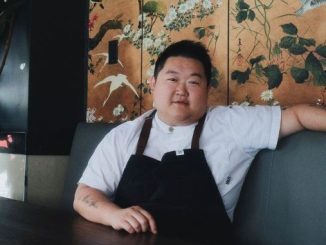
On a recent culinary tour in Toronto with highly respected Chef Eva Chin of Yan Dining Room and the Hong Kong Tourism Board, we explored the striking similarities between Toronto and Hong Kong—and the excellence that connects the two cities.
Hong Kong’s food scene begins the moment you arrive at Hong Kong International Airport. “As a first impression, it already represents the city,” says Chin. “It’s one of the airports with the most eateries in the world.”
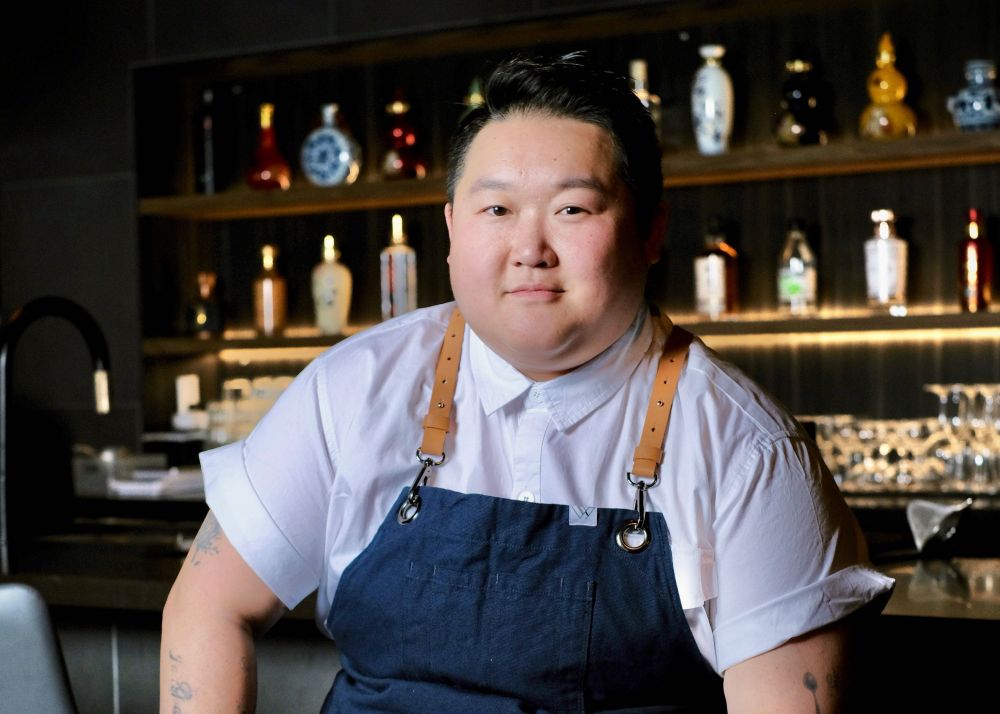
And the culinary landscape goes far beyond a single region or style. Hong Kong cuisine is neither strictly Cantonese nor purely Northern or Southern Chinese. According to Chin, it has evolved into its own category, shaped by international trade, colonial history, and deep-rooted tradition. It’s a true melting pot. One thing is certain: locals and visitors alike love to eat at all hours of the day, and the city’s food scene continues to evolve and flourish.
Today, Hong Kong boasts more than 17,000 places to eat, ranging from fine dining and casual restaurants to street markets and cha chaan teng counters. The city is home to 76 Michelin-starred restaurants, seven of which have earned the coveted three-star distinction.
What often surprises first-time visitors is just how accessible Hong Kong’s food scene is. Delicious food is available around the clock in a city that never seems to sleep. Chin tells us it’s not uncommon for Hong Kong locals to enjoy up to five meals a day.
Hong Kong’s cross-cultural influences and technique-driven dining are globally celebrated. While we may be dreaming of a visit, we can absolutely get a taste of Hong Kong right here in Toronto. So, where can you eat like a Hong Kong foodie in this city?
Here are some standout spots we visited with Chef Chin, along with worthy stops to bookmark for your next trip to vibrant Hong Kong.
DIM SUM
Dim sum or “yum cha” is far more than a weekend brunch—it’s a social ritual where families and friends gather over dishes that, as Chin puts it, “fills the heart.” Dim sum isn’t about rushing through a meal. Each dish requires incredible effort and precision, and every morsel is meant to be savoured, appreciated, and enjoyed individually.
TORONTO: Lai Wah Heen (108 Chestnut Street)
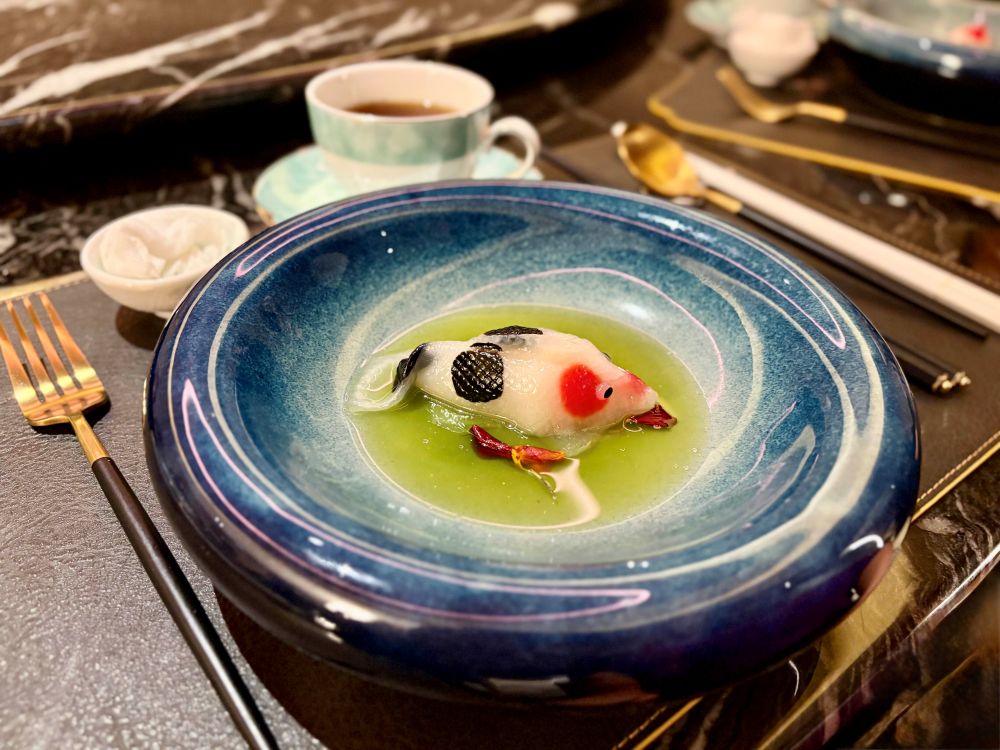
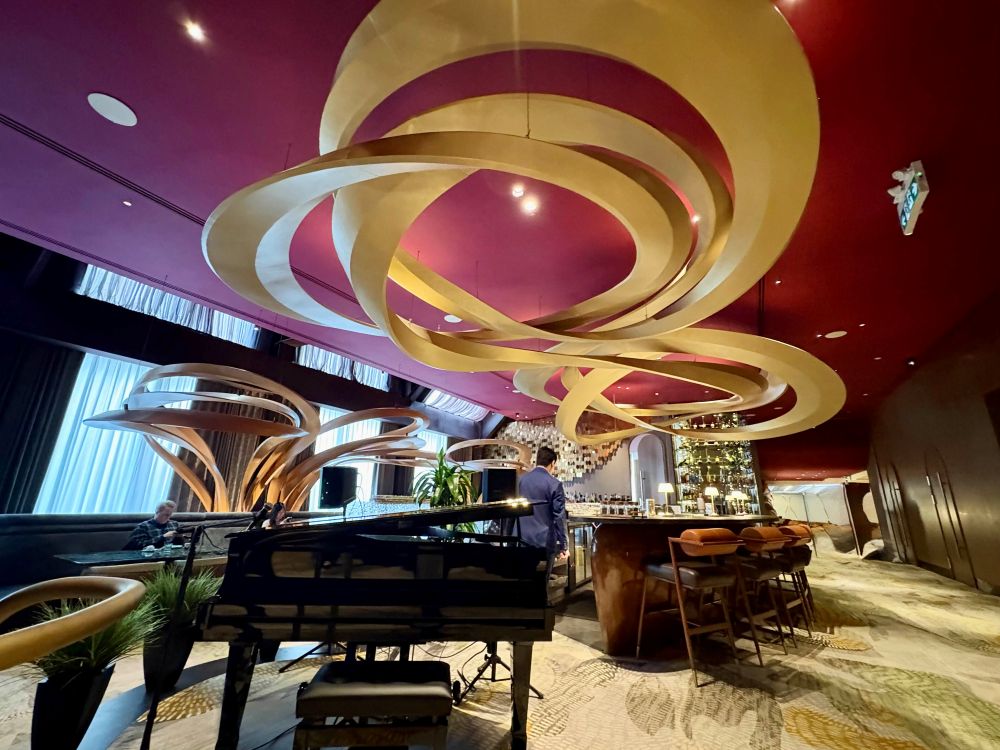
Lai Wah Heen reflects the refined, progressive side of Hong Kong’s contemporary dining scene. Recently renovated, both the space and the menu feel fresh and exciting. Under new management and led by a new generation of bright and talented young chefs from Hong Kong, the restaurant offers innovative dishes that honour tradition while embracing modern techniques.
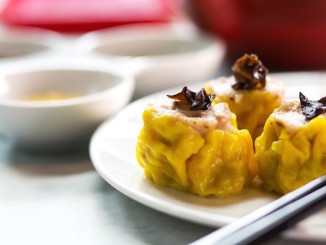
Lucky Koi Fish–shaped dumplings deliver instant wow factor, while intricately detailed “lychee” dumplings made with exquisite ingredients such as black truffle and seafood are as beautiful as they are delicious. These sweet and savoury, bite-sized creations are handcrafted works of art.
HONG KONG:
Notable dim sum destinations include Tim Ho Wan (Michelin Bib Gourmand), Lung King Heen at the Four Seasons Hong Kong (Michelin), and Yan Toh Heen (Michelin, renowned for roasted meats). Some of Chef Chin’s personal favourites also include Duddell’s, Ming Pavilion, and Shang Palace.
COMFORT FOOD IN A BOWL
TORONTO: Wonton Hut (3760 Highway 7, Markham)
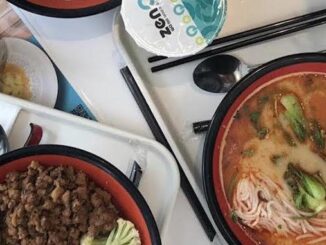
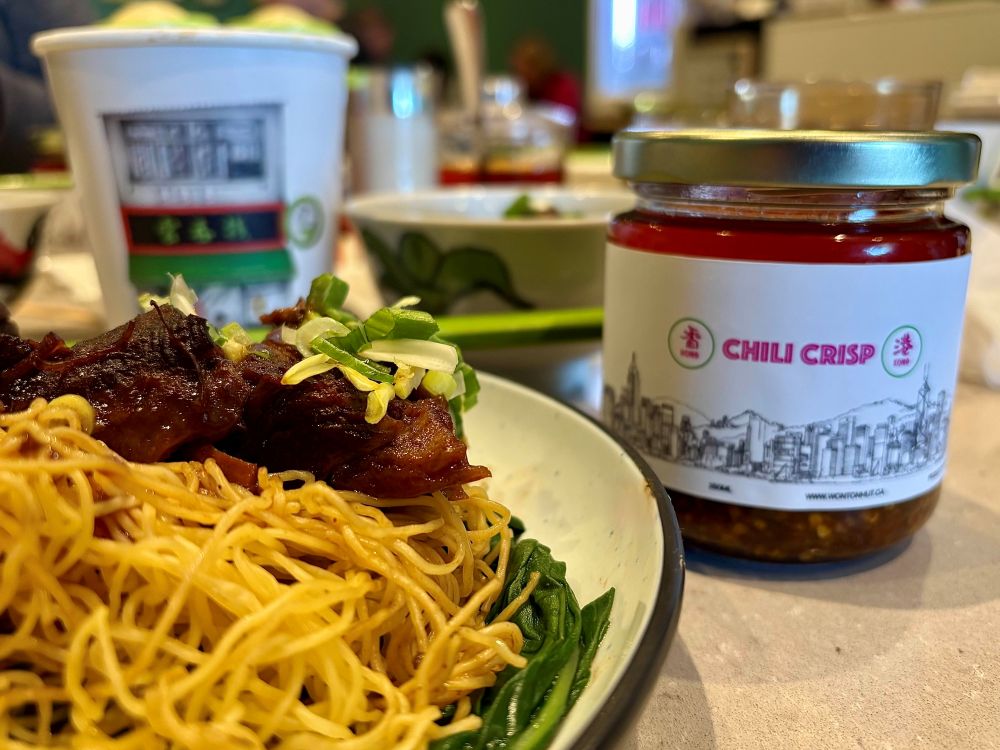
With its intimate table seating and neon-lit interior, Wonton Hut is reminiscent of classic Hong Kong noodle houses. The restaurant serves deeply nourishing bowls of noodles filled with fresh wontons, braised beef, and other comforting staples.
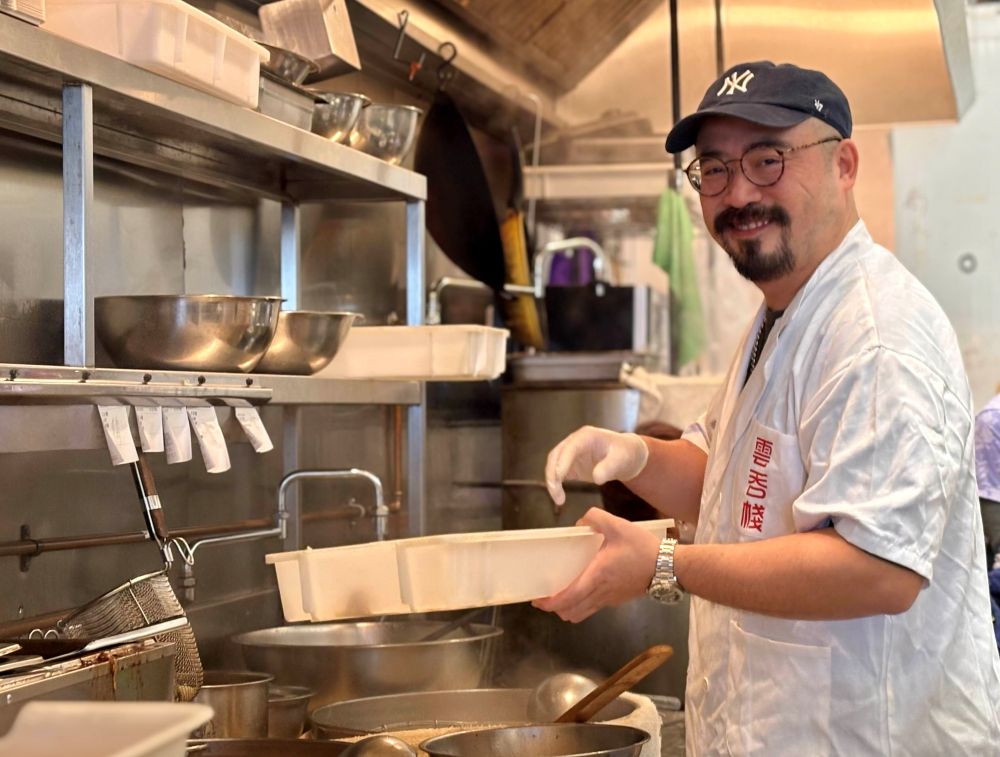
Chef Eddie Young was born and trained in Hong Kong, where he mastered the art of traditional Hong Kong–style wontons at a young age. It’s a craft that demands precision, discipline, and a deep respect for cultural heritage.
Consistently packed, Wonton Hut attracts everyone from university students and families to seniors—and even the occasional A-list celebrity. Yes, the noodles really are that good. Photos of Chef Young alongside visiting celebrities greet you as you enter his Scarborough restaurant. According to Chef Chin, this experience mirrors exactly what you’d find in her favourite noodle shops back home.
While you’re there, don’t miss Chef Young’s house-made chili crisp—a sought-after condiment that elevates just about everything.
HONG KONG:
Visit Ho Hung Kee (one Michelin star) in Causeway Bay, a historic noodle shop that first opened in the 1940s and remains a beloved institution. Mak Man Kee (one Michelin star), a 60-year-old eatery, is another local favourite.
THE EVOLUTION OF SWEETS
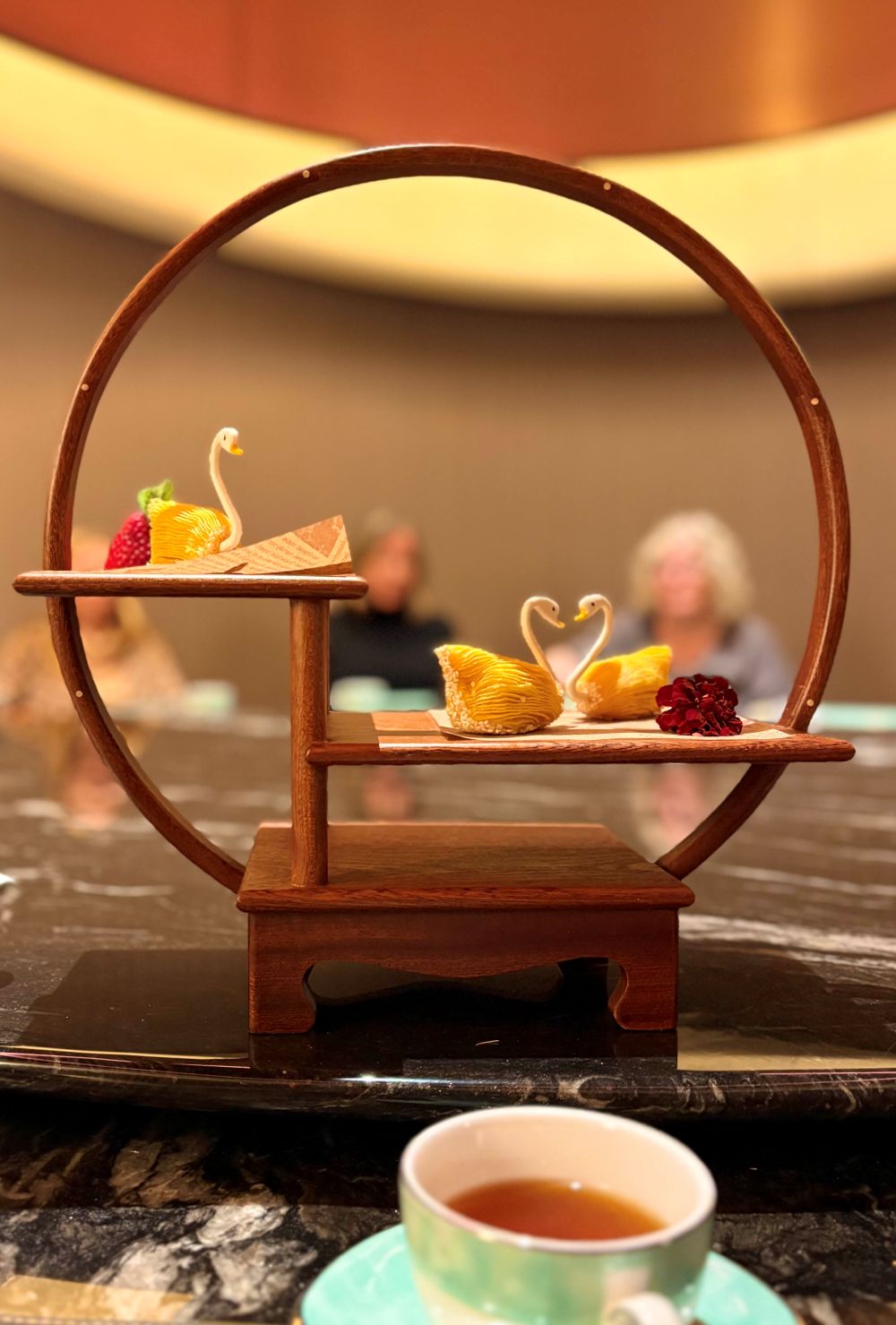
Traditionally, Chinese cuisine hasn’t leaned heavily toward overly sweet desserts. In fact, many believe the best way to end a Chinese meal is without something excessively sugary. However, Hong Kong’s palate has evolved thanks to global influences. In the 1980s, institutions like Maxim’s Cakes and The Peninsula Hotel’s Cantonese restaurant Spring Moon helped popularize Western-style pastries. Chin notes that it’s not unusual to pass several bakeries before even starting your commute to work in Hong Kong.
TORONTO: Daan Go Cake Lab (550 Hwy 7 Building C Unit 70, Richmond Hill and other locations)
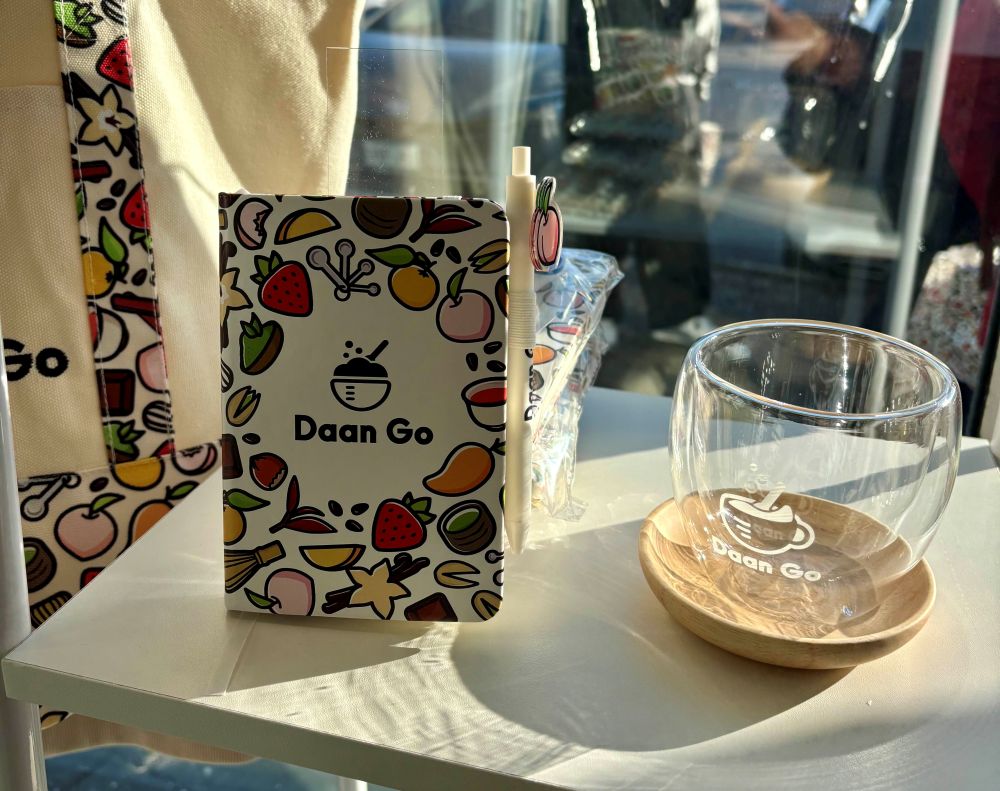
With locations in Scarborough, Toronto Chinatown, Richmond Hill, Mississauga, and Vancouver, Daan Go Cake Lab offers a playful yet refined take on nostalgic sweets. Chef Christopher Siu, winner of MasterChef Canada (Season 7), has firmly established himself as one of Toronto’s most celebrated pastry chefs.
Signature creations like the 24K Mango Cheesecake and Mont Blanc Chestnut Cake are highly sought after, while ice cream flavours such as Taro Coconut, Egg Tart, and Kaya Butter Toast are delightfully sweet!
HONG KONG:
Visit Mrs. Fong Chinese Dessert, a family-run bakery where more than ten pastries are made fresh daily.
HONG KONG WINE & DINE FESTIVAL
If this has whet your appetite for Hong Kong’s culinary scene, mark your calendar. The Hong Kong Wine & Dine Festival—held annually at the end of October—is considered one of the world’s premier food events. It draws food lovers from across the globe and showcases wines from renowned vineyards alongside hidden gems. Hundreds of restaurants participate, offering both traditional and trend-setting dishes, complemented by live entertainment, workshops, and immersive experiences.
In 2025, the festival’s theme was “REMIX: Best of All Worlds,” celebrating the diversity of global wines and cuisines that define Hong Kong. This year’s theme has yet to be announced! Stay tuned!
A FEW CANTONESE DINING TIPS & ETIQUETTE
Chinese dining culture is deeply rooted in respect—and yes, a touch of superstition. Keep these customs in mind when dining out:
- Elders are always served first. They also are the ones to initiate actual eating.
- The youngest (and able) at the table should serve elders when possible.
- The youngest (and able) should pour tea for others before themselves.
- To say thank you for tea, tap two fingers twice on the table—a quiet gesture symbolizing a respectful bow.
- Never use your personal chopsticks to take food from shared dishes; serving chopsticks are always provided.
- Never point chopsticks at another person—it’s considered rude.
- Never stick chopsticks upright in food, as this resembles incense used to honour the dead.
- It’s okay to lift your rice bowl to closer to your mouth to scoop food in but don’t lift the bottom of your bowl for others to see. That act resembles like eating from the floor and considered rude.
- And here’s a tricky one — leave just a bit of food in your bowl to show the host that they have been generous in providing for you. If you leave too much food behind it implies that the food wasn’t good. Good luck with that one. Having said that, we are told very young to eat every grain of rice otherwise we will end up marrying someone with visible pock marks on their face.
*photos by Sonya D (except for Chef Eva Chin)