
Toronto households are reshaping the senior-care conversation in ways that look different from the prior generation. Aging-in-place is no longer the niche choice. It is the default for most families with parents in their seventies and eighties, and the city’s sprawl makes the technology side of that choice meaningful.
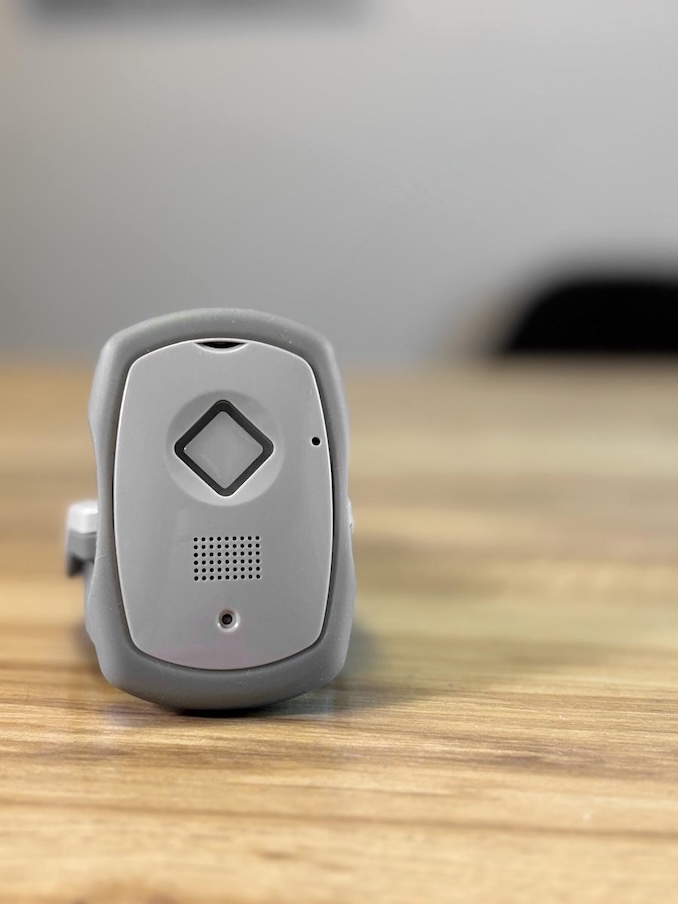
Alt text: A Life Assure Premium Mobile Plus GPS device, the model Toronto households use for active seniors moving across the city
A GPS-enabled medical alert sits at the centre of that toolkit. The Medical alert with GPS lineup at Life Assure is one of the more visible options Toronto families consider. The device is built for the active senior whose day might include a Beltline walk, a streetcar to Kensington, and a TTC ride home. It closes a gap that home-only systems leave open whenever the wearer steps off the porch.
Why Are Toronto Households Adopting GPS Medical Alerts Earlier?
The earlier-adoption pattern in Toronto reflects three local realities. The first is the city’s geography. Toronto’s older residents move across long distances by transit, and the home-only base-station model from a decade ago does not cover that movement. The second is family geography. Adult children are often spread across Mississauga, Markham, Hamilton, and beyond, which means real-time visibility through a family portal matters more than it used to.
The third is the cultural shift. Local senior-care platforms like the one profiled in the Elderado coverage reflect a real change. Toronto families now treat aging-in-place planning as a coordinated project. It is no longer a last-minute scramble after a fall. The medical alert sits inside that planning as a routine purchase rather than a crisis purchase.
How Does a GPS Medical Alert Work Across Toronto’s Sprawl?
The device is a small wearable with built-in cellular connectivity. The cellular network is what allows the alert to function anywhere there is mobile signal, which in Toronto effectively means everywhere within the GTA and most of southern Ontario. The accelerometer detects fall patterns and auto-triggers the monitoring centre. Two-way voice opens the conversation while GPS sends responders to the precise location.
The Canadian Institute for Health Information’s data on senior health shows that timely response after a fall is the single largest variable in recovery outcomes. The GPS-enabled wearable closes that response window across the city’s geographic spread. The device works on a long walk near the CN Tower as cleanly as it works in a Forest Hill garden.
Which Features Matter Most for Toronto Seniors and Snowbirds?
Six features carry the most weight. The table below summarises what Toronto households should weigh.
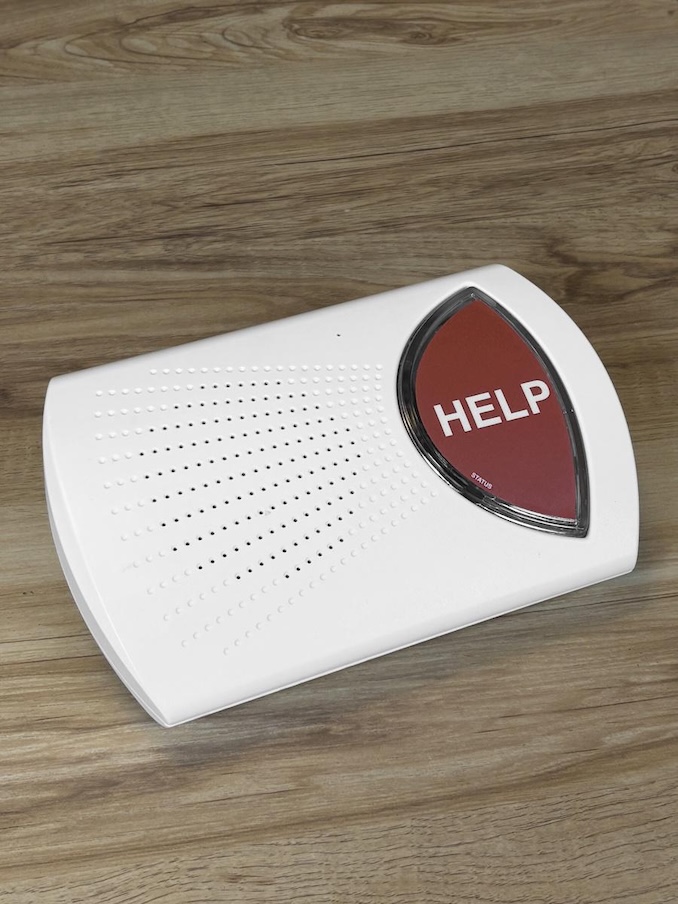
Alt text: A Life Assure base unit, part of the home-and-mobile setup that pairs with the GPS-enabled wearable
|
Feature |
Why It Matters in Toronto |
What to Look For |
|
Cellular GPS |
Covers the GTA and beyond |
Built-in 4G/LTE, Canadian network |
|
Two-way voice |
Replaces vocal location-reporting |
Speaker + mic in the wearable itself |
|
Fall detection |
Closes the response-time gap |
ML-tuned algorithm, low false positives |
|
Battery life |
Sustains daily wear through long routines |
5+ days per charge |
|
Cross-border roaming |
Snowbird trips to Florida or Arizona |
Cellular partner network in destination |
|
Family portal |
Visibility for kids in another city |
Web dashboard + mobile push notifications |
Snowbirds in particular benefit from cross-border roaming. A device that works in Toronto and stops working in Tampa is a half-solution.
What Mistakes Surface When Toronto Families Choose Late?
Several patterns recur. The first is delaying until after a fall event has already happened. The right adoption window is before the first incident, not after. The second is choosing a device based on the home-only model that does not cover transit, errands, or visits to family. Toronto seniors move more than the marketing brochures often assume.
The third is assuming the home phone line is enough. Most Toronto households have moved off landlines. Many medical alert systems built for the landline era no longer fit. The fourth is skipping the family-portal setup. The portal is what lets a daughter in Vancouver or a son in London see device status without a phone call.
The fifth is underestimating how much routine ground the device needs to cover. Familiar Toronto destinations like the area around the CN Tower appear on most active seniors’ weekly itineraries. The wearable has to handle those locations reliably or the wearer simply leaves it at home. Reliability across the city is what turns the device from accessory into routine kit. Households that get this part right early end up with the rare combination of a confident senior and a quietly reassured family.
What Is the Bottom Line for Toronto Seniors and Their Families?
The GPS-enabled medical alert earns its place in the Toronto aging-in-place toolkit. The device matches the city’s geography, the family-spread reality, and the cultural shift toward earlier and more coordinated planning. Households that adopt before any fall event benefit from the wear-adherence advantage, since the device becomes part of daily routine before it ever has to prove itself in an emergency. The AARP’s overview of caregiving fundamentals frames the layered approach clearly. The medical alert sits inside that layered toolkit as one of the higher-impact line items.
Frequently Asked Questions
How Much Does a GPS Medical Alert Cost in Toronto?
Monthly monitoring runs $40 to $70 CAD on most Canadian providers. The wearable is often included or rents for a small monthly fee. Annual contracts typically save 10 to 20 percent over month-to-month plans, and most providers cover the activation fee on a longer commitment.
Does the Device Work on the TTC and Subway?
Modern GPS medical alerts work on the TTC where cellular signal reaches, which covers most surface routes and stations. Deeper subway stretches may have brief signal gaps. The device buffers the alert and connects as soon as signal returns.
Can the Wearable Cross the Border Into the United States?
Yes, on most Canadian providers’ premium plans. The device roams onto US cellular partner networks, which is what makes it suitable for snowbirds. Confirm the destination state with the provider before the trip, since coverage varies by carrier agreement.
Should Toronto Families Get the Device Before or After a Fall?
Before is the right answer. The wear-adherence advantage compounds over time, and the device’s value comes from being on the wearer when something happens. Households that wait until after a fall event often spend the next 12 months catching up rather than getting ahead. Pre-emptive adoption converts a passive risk into a monitored one without any drama.
