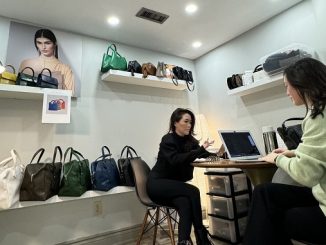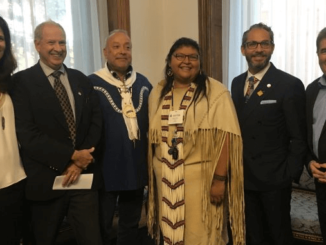
Led by co-founder and program director Paola Gómez, MUSE Arts is a community-driven organization working at the intersection of creativity and social impact, using artistic practice to foster connection, amplify underrepresented voices, and support collective healing. With its roots in collaboration with newcomers, refugees, youth, and equity-seeking groups, the organization has grown from a response to limited access and visibility in the arts into an expansive platform supporting artists locally and internationally.
Describe your charity/non-profit/volunteer work in a few sentences.
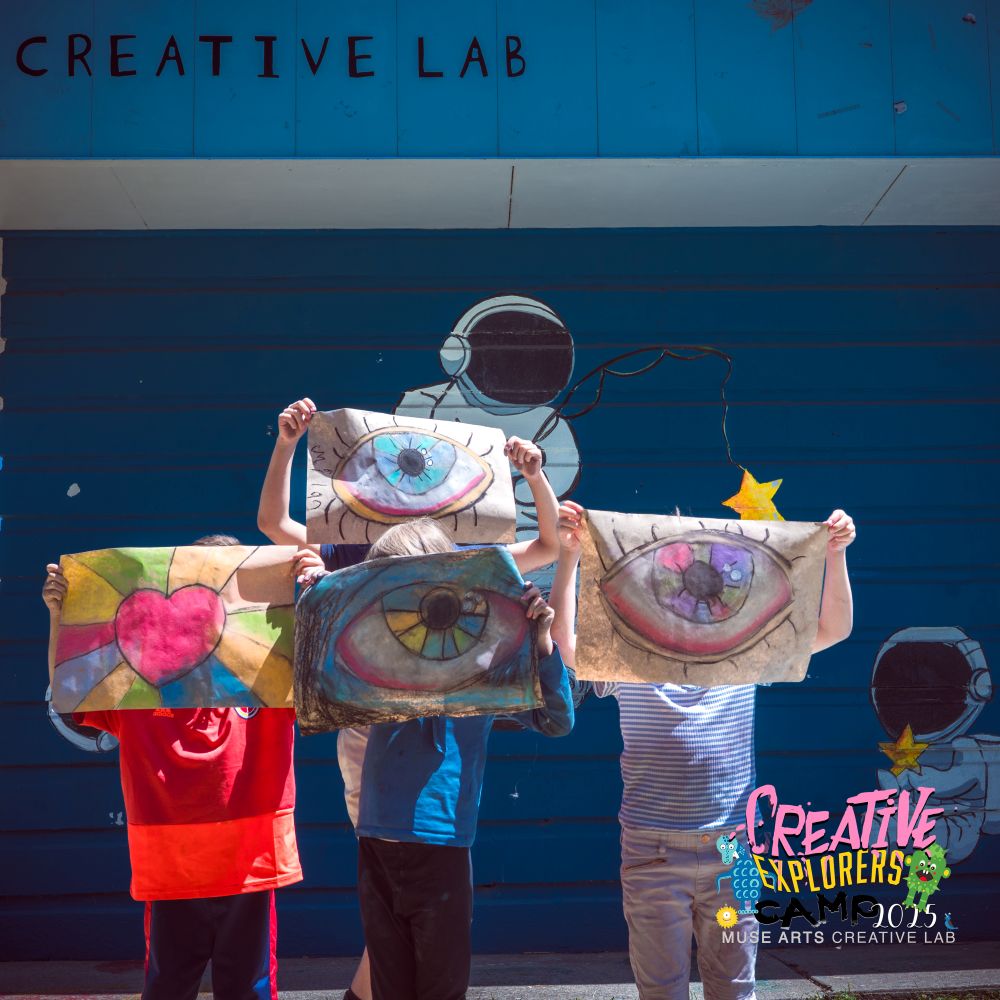
MUSE Arts is an artist-run, community-based organization that creates spaces where art becomes a tool for connection, healing, and social change. We work closely with communities, especially newcomers, refugees, youth, and equity-seeking groups through workshops, residencies, and collaborative art projects that center lived experience and collective storytelling.
What problem does it aim to solve?
We respond to the lack of access, visibility, and support for emerging artists—particularly those from marginalized or displaced communities. Many artists have powerful stories and practices, but limited platforms or networks. At the same time, communities often lack inclusive cultural spaces where people can gather, express themselves, and process shared realities. MUSE Arts works at that intersection—using art to reduce isolation, amplify voices, and build more just and connected communities.
When did you start/join it?
I co-founded MUSE Arts and have been part of its journey since its early stages, helping shape its programs, partnerships, and community-centred approach over the years.
What made you want to get involved?
My background as a human rights lawyer and community organizer deeply shaped my path. I saw how art could reach places that policy and legal frameworks often cannot—emotionally, culturally, and collectively. Art creates space for dialogue, healing, and imagination, especially for communities impacted by migration, violence, and displacement. MUSE Arts became a way to bring those worlds together.
What was the situation like when you started?
When we started, there were very few accessible and inclusive spaces for newcomer and refugee artists to share their work or feel part of a creative community. Many artists were working in isolation, without resources or recognition. There was also a gap in how arts programming engaged with social justice in meaningful, community-led ways.
How has it changed since?
Over time, MUSE Arts has grown into an international and deeply collaborative platform. We’ve supported hundreds of artists, developed community partnerships, and expanded into initiatives like micro-grants, international residencies, and community-based research. For example, our programs in Colombia and Canada now bring together artists across borders to co-create and exchange knowledge, strengthening both local and global artistic ecosystems.
What more needs to be done?
There is still a need for sustained funding, long-term support for artists, and deeper investment in community-led cultural work. We need to continue challenging traditional hierarchies in the arts and ensuring that marginalized voices are not just included, but centered. Art should not be a privilege—it should be part of how communities imagine and build their futures.
How can our readers help?
People can support by engaging—attending events, sharing artists’ work, collaborating, or volunteering. Donations and partnerships also help us sustain programs and reach more communities.
Do you have any events coming up?
Yes—one of our upcoming highlights is the HAPPENING Multicultural Festival, a vibrant, community-centred event that brings together artists, performers, and cultural practitioners from diverse backgrounds. May 15 to May 25 Community Activations and May 28 to May 30 HAPPENING Multicultural Festival.
Where can we follow you?
PAY IT FORWARD: What is an awesome local charity that you love?
Nia Centre for the Arts is an inspiring Toronto organization that uplifts Black artists and communities—creating space for creativity, visibility, and cultural leadership through the arts.