
Every child carries a voice worth hearing. Not just for the notes it can hit, but for the emotions, stories, and personality it reveals. Singing gives kids a channel of expression that words alone can’t always provide, a way to process feelings, connect with others, and discover who they are becoming.
Yet many children hold back. They’ve been told they’re “off-key,” or they’ve watched a classmate get laughed at during a school concert. That hesitation builds walls around their creative potential, and those walls can last well into adulthood.
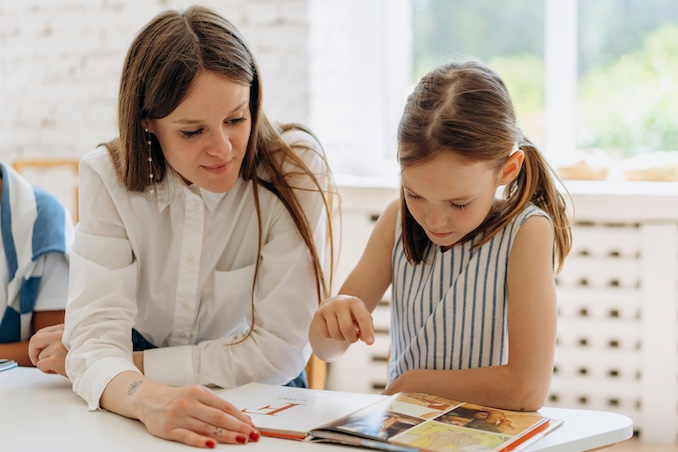
A qualified singing teacher changes the equation entirely. With the right guidance, children learn that singing isn’t about being perfect. It’s about being present, being brave, and being themselves. This guide walks you through the developmental benefits, common barriers, practical strategies, and age-appropriate activities that help kids find their voice, literally and figuratively.
Why singing matters for child development
Singing strengthens children’s cognitive, emotional, and social abilities simultaneously. It engages multiple brain regions at once, building neural pathways that support learning across subjects. Far from being a “nice extra,” regular singing practice shapes how children think, feel, and interact with the world around them.
Memory and language skills improve noticeably in children who sing regularly. Learning lyrics demands recall, sequencing, and pattern recognition. These same skills transfer directly to reading comprehension and mathematical thinking. A 2019 study published in *Frontiers in Neuroscience* found that children with musical training showed stronger verbal memory than their non-musical peers.
Then there’s the emotional side. Singing gives children a safe place to feel big feelings without needing to explain them. A shy kid who can barely whisper “I’m sad” might belt out a minor-key melody with surprising intensity. That release matters. It builds emotional regulation skills and teaches children that their feelings deserve expression.
Group singing adds another dimension entirely. Choirs and ensemble work demand listening, timing, and cooperation. Kids learn to blend their voice with others, to lead sometimes and follow other times. They encounter songs from cultures different from their own, broadening their worldview without a single lecture.
The physical benefits often surprise parents. Proper singing technique improves posture, deepens breathing patterns, and heightens body awareness in children. These aren’t abstract gains: a child who learns diaphragmatic breathing for singing often sleeps better and manages anxiety more effectively.
And the academic connection? It’s real. Research from the Royal Conservatory of Music in Toronto shows a consistent correlation between sustained music education and higher achievement in language arts and mathematics. Singing doesn’t replace studying. It makes studying work better.
Understanding barriers that prevent children from singing
Fear, stereotypes, and past experiences form the biggest obstacles between children and their singing voice. Most kids sang freely at age three. By age nine, many have stopped entirely. Understanding why this happens is the first step toward reversing it.
Fear of judgment tops the list. One careless comment from a peer, a sibling, or even a well-meaning adult can silence a child for years. “You’re tone-deaf” lands like a verdict, not a observation. Children internalize these moments deeply, associating singing with vulnerability and risk rather than joy.
Cultural and gender stereotypes play a sneaky role too. Boys who love singing sometimes face teasing. Girls may feel pressured toward certain genres. Some families view singing as frivolous compared to “serious” pursuits. These unspoken messages narrow what children believe they’re allowed to enjoy.
Previous negative experiences compound over time. A forgotten lyric at a school performance. A voice crack during choir practice. For a child, these moments feel enormous. Without someone to normalize the experience (“everyone forgets lyrics sometimes”), the embarrassment calcifies into avoidance.
Limited exposure is another quiet barrier. A child who’s only heard pop music may not realize that singing includes throat singing, gospel, folk traditions, beatboxing, and dozens of other forms. Broadening their musical landscape early opens doors they didn’t know existed.
Perfectionism deserves its own mention. Some children won’t try unless they’re certain they’ll succeed. Singing, by nature, involves imperfection. Helping kids understand that expression matters more than execution is a mindset shift that benefits far more than their music.
Creating a supportive environment for vocal expression
A child who feels safe will sing. A child who feels watched, graded, or compared will stay quiet. Building the right environment, whether at home or in a classroom, means prioritizing comfort over performance and curiosity over correctness.
At home: building confidence through everyday singing
The most powerful singing environment isn’t a studio. It’s your kitchen.
Parents who sing during daily routines normalize the act completely. Breakfast songs, car ride singalongs, silly bath time melodies: these moments tell children that singing is ordinary, joyful, and theirs.
- Pick a “family song” and make it a weekly tradition, maybe every Sunday morning
- Sing along to the radio together, even badly (especially badly)
- Try karaoke apps like SingSnap or Smule for low-pressure practice at home
- Record your child singing their favourite song and play it back with genuine enthusiasm
- Never correct pitch during casual singing; save technique for lessons
The goal isn’t to create a practice routine. It’s to make singing feel as natural as talking. When a child hears their parent sing without self-consciousness, they absorb a powerful message: your voice doesn’t need to be perfect to be worth using.
In educational settings: integrating singing across the curriculum
Singing doesn’t belong only in music class. It belongs everywhere.
Teachers who use songs to reinforce concepts see stronger retention. A multiplication song sticks longer than a worksheet. A historical ballad about Confederation brings a timeline to life. Cross-curricular singing turns passive learners into active participants.
Morning singing circles set the emotional tone for the day. Transition songs between activities reduce chaos and create predictability. And when classrooms celebrate diverse musical traditions, from Métis fiddle songs to Caribbean calypso, students gain cultural understanding through experience rather than instruction.
The key? Keep it low-stakes. No grades. No solos unless volunteered. Just voices filling a room together.
The transformative role of a professional singing teacher
A skilled singing teacher does what parents and classroom teachers often can’t: provide personalized, technique-driven instruction that meets each child exactly where they are. They assess a child’s vocal range, comfort level, and interests, then design an approach that feels like play but builds real musical foundations.
Young voices need careful handling. A good instructor teaches breathing and posture techniques specifically adapted for developing bodies. They know the difference between a six-year-old’s vocal cords and a twelve-year-old’s. They protect those voices while strengthening them.
| What a singing teacher provides | Why it matters for children |
| Personalized vocal assessment | Identifies strengths and areas for gentle growth |
| Age-appropriate repertoire | Keeps kids engaged with songs they actually enjoy |
| Proper breathing technique | Builds vocal health habits that last a lifetime |
| Structured performance opportunities | Develops confidence through gradual exposure |
| Emotional safety during lessons | Creates trust that encourages risk-taking |
Repertoire selection is more important than many parents realize. A child forced to sing opera when they love Taylor Swift will disengage fast. Experienced teachers meet kids in their musical comfort zone first, then gently expand it. That respect for the child’s taste builds trust, and trust is the foundation of every breakthrough.
Performance opportunities matter too, but they need structure. A good teacher creates recital experiences that feel supportive rather than terrifying. Small group showcases before a solo concert. Living room performances for family before a stage. Gradual exposure, not sudden immersion.
Looking for a qualified instructor who specializes in young voices? Finding the right match makes all the difference in a child’s musical journey.
Age-appropriate singing activities and games
Different developmental stages call for different approaches. What delights a four-year-old will bore a twelve-year-old, and vice versa. Matching activities to a child’s developmental stage keeps singing fun, challenging, and relevant.
Early childhood (ages 3-6): playful vocal exploration
At this age, singing and playing are the same thing.
Animal sound games are gold. “Can you roar like a lion? Now whisper like a mouse.” These games build vocal range awareness without any technical language. Kids explore high, low, loud, and soft through pure imagination.
Call-and-response songs (like “If You’re Happy and You Know It”) teach listening and timing. Movement combinations, where children dance, clap, or stomp while singing, integrate physical and musical development simultaneously. Don’t worry about pitch accuracy here. Enthusiasm counts for everything.
Elementary age (ages 7-11): building skills through fun
Now structure enters the picture, but enjoyment stays at the centre.
- Teach rounds like “Frère Jacques” or “Row, Row, Row Your Boat” to introduce harmony
- Challenge kids to write new lyrics to familiar melodies about their day, their pet, their favourite food
- Introduce musical genres through listening sessions: jazz, folk, hip-hop, classical
- Try partner songs where two different melodies fit together
- Organize casual “open mic” sessions with friends or classmates
This age group responds well to creative ownership. When a child writes their own lyrics, they invest personally in the music. That investment fuels motivation far more effectively than any external reward.
Pre-teens and teens (ages 12+): finding their unique voice
Older kids crave authenticity. They want to sound like themselves, not like anyone else.
Songwriting becomes a powerful tool here. Even basic composition, fitting words to a simple chord progression, gives teens a voice that feels entirely their own. Digital recording tools like GarageBand or BandLab make home production accessible and exciting.
Encourage exploration of contemporary styles: R&B runs, indie folk storytelling, rap flow, musical theatre belting. This is the age where personal taste crystallizes, and supporting that exploration (even when their musical choices puzzle you) builds lasting confidence. Recording projects give teens tangible proof of their growth, something they can revisit and feel proud of.
Measuring progress and celebrating growth
Track improvement through personal growth, not comparison. Every child’s vocal journey looks different, and the moment you measure one child against another, you’ve introduced the exact pressure that shuts kids down.
Create a simple singing portfolio: record your child singing the same song every few months. Play the recordings back together. Let them hear their own evolution. That evidence is more motivating than any gold star.
Set goals that focus on experience rather than execution. “I want to try singing in front of Grandma” is a better goal than “I want to hit a high C.” Celebrate the courage it takes to sing, not just the sound that comes out.
Regular check-ins matter. Ask your child: “Are you still having fun?” If the answer is no, something needs to change. The approach, the teacher, the repertoire. Sustained enjoyment predicts long-term engagement far better than technical proficiency does.
FAQ
At what age should children start formal singing lessons?
Most vocal instructors recommend formal lessons around age seven, when children can follow structured instruction and have enough attention span for 30-minute sessions. Before that, group music classes and playful singing at home build a strong foundation without the pressure of formal training.
How can I tell if my child has natural singing talent?
Look for signs like matching pitch easily, remembering melodies after hearing them once or twice, and gravitating toward music spontaneously. But here’s what matters more: interest. A child who loves singing and practises willingly will outgrow a “naturally talented” child who feels forced. Passion outperforms talent every time.
What if my child is too shy to sing in front of others?
Start small. Sing together in the car. Record them singing alone in their room. Let them perform for a stuffed animal audience. Gradually expand the circle: one parent, then both parents, then a grandparent. A patient, supportive singing teacher also helps enormously by creating a judgement-free space where shyness dissolves over time.
How much should children practice singing each day?
For younger children (under eight), five to ten minutes of intentional singing daily is plenty. Older kids benefit from 15 to 20 minutes of focused practice. Quality matters more than quantity. Forced, joyless practice does more harm than good. If they’re singing along to music they love during the day, that counts too.
Can singing lessons help children with speech difficulties?
Yes. Singing engages different neural pathways than speaking, which is why some children who stutter can sing fluently. Vocal instruction improves breath control, articulation, and oral motor coordination. Several speech-language pathologists incorporate singing into therapy. It’s not a replacement for speech therapy, but it’s a valuable complement.
