A few years ago, when Sight and Sound invited the world’s leading film critics to contribute to their decennial film poll, your resident Toronto Guardian critic, feeling left out but by no means begrudging that austere institution, set about sharing my own picks for the greatest films of all time. (Spoilers: 2001: A Space Odyssey remains unmatched.)
Fast forward to today, and the delightful – and delightfully controversial – Guardian poll of great novels has recently arrived, (quite correctly) crowning George Eliot’s monumental Middlemarch the best of an extraordinary literary tradition. Far from challenging that result, I thought it might be fun to publish my own, unsanctioned ballot, yet again offering my paltry contribution to a never-ending debate.
This list was, of course, impossible to put together, and I already regret everything. (A Toronto list with no Robertson Davies on it? For shame!)
That said, it was a joy to compile, the exercise itself a lovely excuse to revisit familiar literary territory, reminding myself why I fell in love with these works in the first place.
Here, then, totally subjective and in no way definitive, are your Toronto Guardian greatest novels of all time.
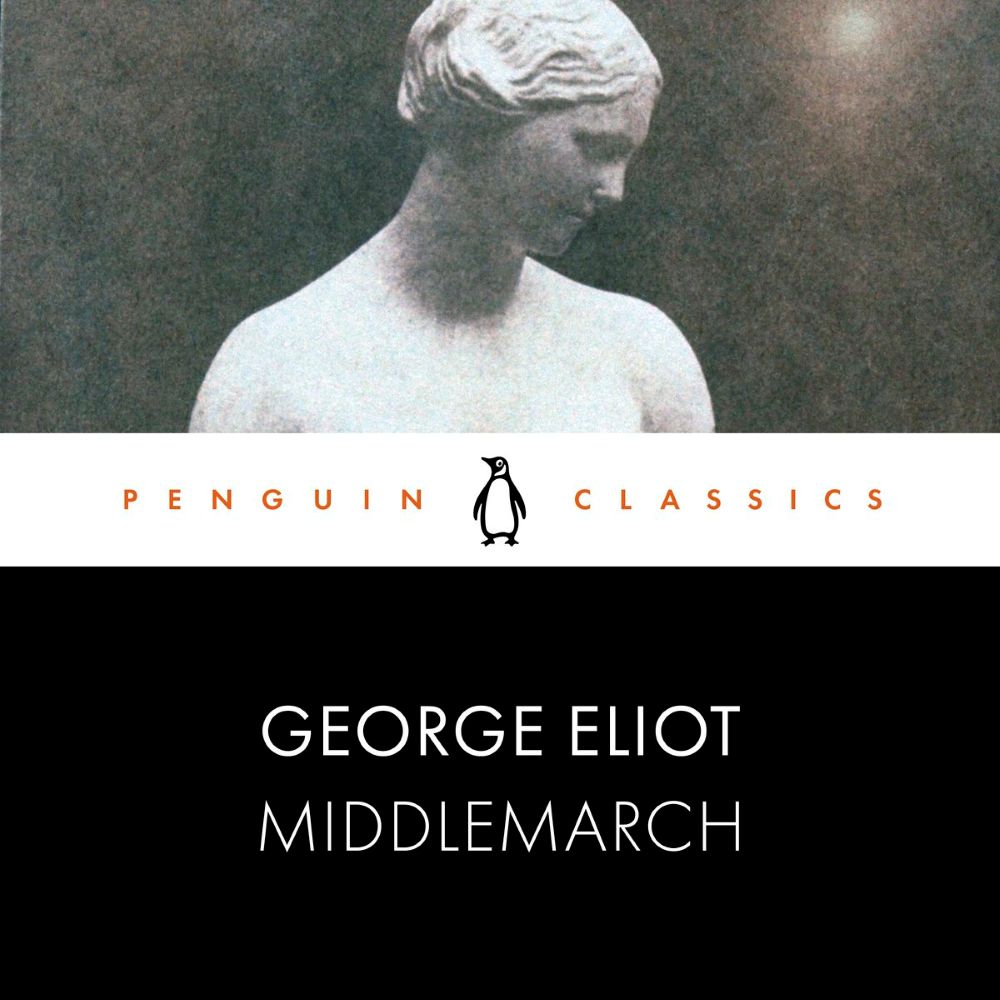
1. Middlemarch (George Eliot, 1871)
“Blameless people are always the most exasperating.”
For the uninitiated, it can be difficult to understand why this, a late-nineteenth-century novel about the comings and goings in a small English town, merits such adoration. But for those who have encountered it – including, evidently, the bulk of The Guardian’s voters – there’s no denying the strength of its prose, the richness of its characters, and the keen psychological perception of its author, Mary Ann Evans (writing pseudonymously, at a time when female writers were just on the verge of being taken seriously).
The relatively small world of Middlemarch, a fictional town in the English Midlands, is merely the blank canvas onto which Eliot pours her greatest ideas and evergreen insights into the human condition, including the dangers of misguided love (poor Tertius Lydgate), the banality of ego (the name Casaubon now literary shorthand for a certain brand of pomposity), and the agonizing, beautiful possibilities of – and arguments for – human connection.
Perhaps the greatest strength of Eliot’s writing, however, is what’s not on the page – the unspoken thoughts, the barely-concealed truths, just barely perceptible between the lines.
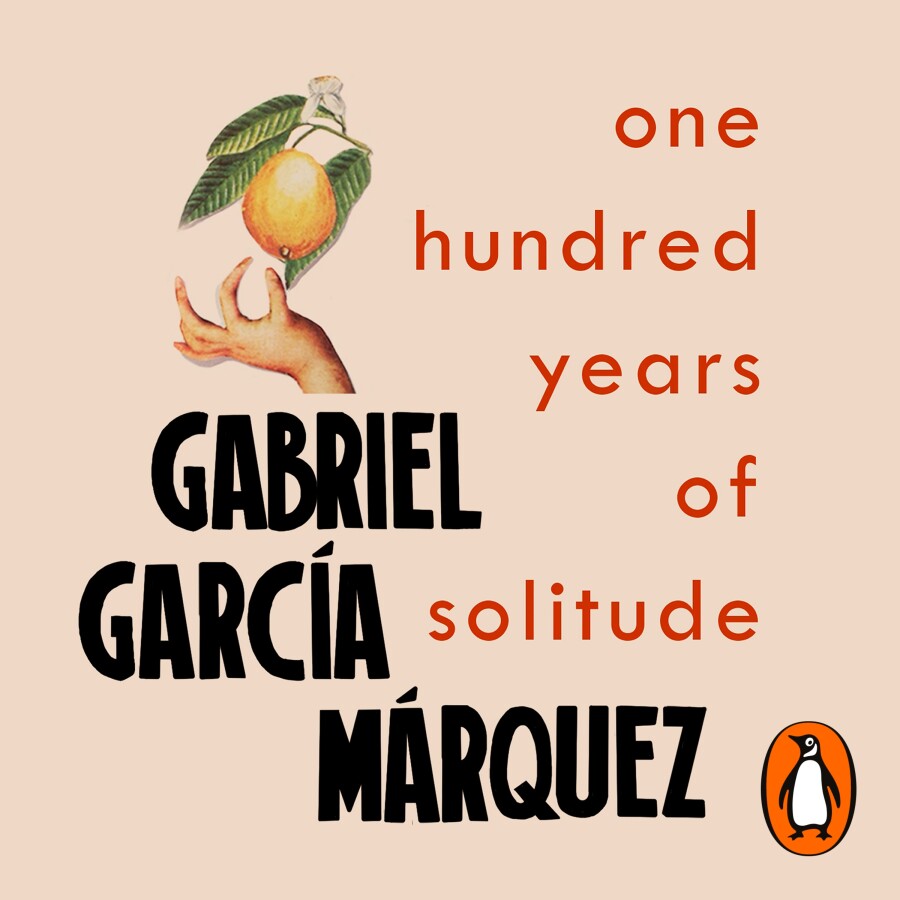
2. One Hundred Years of Solitude (Gabriel García Márquez, 1967)
“The rain would not have bothered Fernanda, after all, her whole life had been spent as if it were raining.”
The most recent entry on this list is the clear standout of twentieth-century fiction, and the one work, to paraphrase Pulitzer prize-winning author William Kennedy, which should be required reading alongside the biblical Genesis.
Here, in Solitude, in its fictional town of Macondo, Márquez acts as both creator and destroyer, bestowing the gift of life – and such beautiful, colourful life it is – with one hand while taking it away – not for nothing does the novel begin with a firing squad – with the other.
Each reader will have their favourite aspect of Solitude, whether it’s the extraordinary life of Mauricio Babilonia, who is forever followed by yellow butterflies, or the harrowing account of the (real-life) Chiquita banana massacre, or any one of the countless stories that play out across the ever-expanding Buendía family tree. All of which are, of course, infused with Márquez’s trademark magical realism and profound humanism.
In his Nobel acceptance speech, Márquez name-checked his “master, Faulkner” (who, not-so-coincidentally, also appears on this list), and it’s easy to understand why.
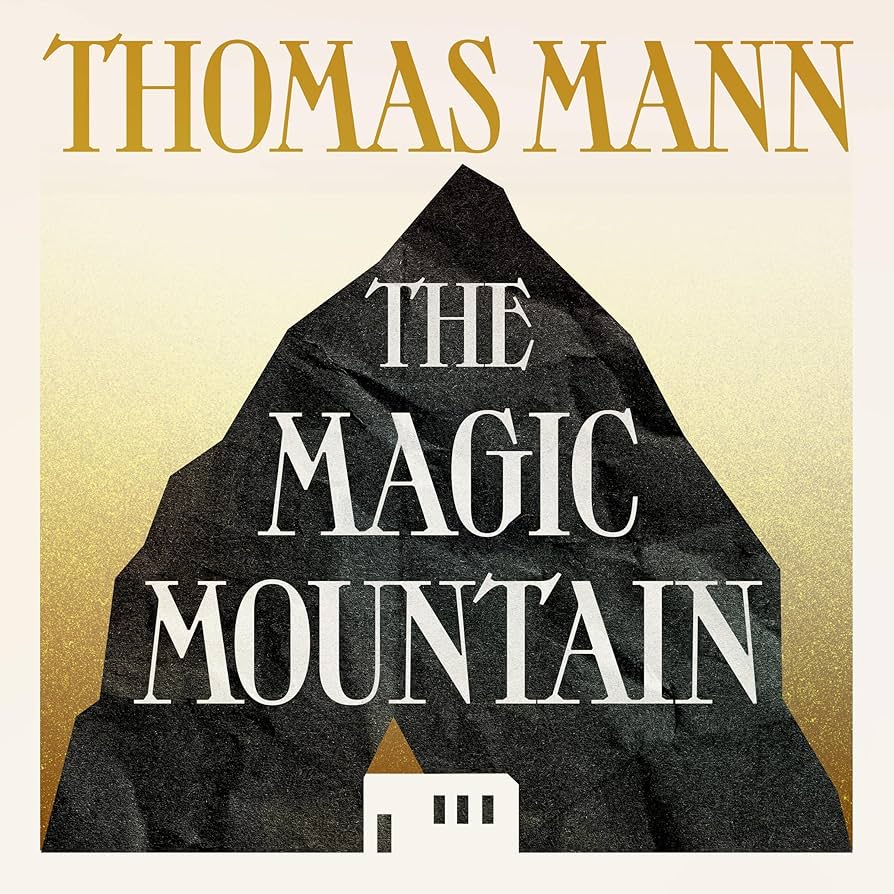
3. The Magic Mountain (Thomas Mann, 1924)
“Space, like time, engenders forgetfulness.”
A society in decay, a class of insular, comfort-seeking bourgeoisie too blind to see it, and a great war on the horizon. Der Zauberberg’s (accidental?) timelessness means it could have been written any time from the late nineteenth century to today, over a century later – though one assumes that a modern version would reimagine its Swiss sanatorium as a quote-unquote “wellness retreat”.
Superficially a fantasy or even Twilight Zone-esque sci-fi story – how else to explain the inexplicable inability of its characters to depart the mountaintop sanatorium – it’s fundamentally a philosophical text, its archetypal characters – the overly romantic young protagonist Hans Castorp, the nihilistic Leo Naphta, the wonderfully realized humanist Lodovico Settembrini – all based on people Mann knew and admired, or disagreed with (or both).
Most of all, however, Mountain is a weird text, suffused with the unexplained, the off-kilter, the perverse.
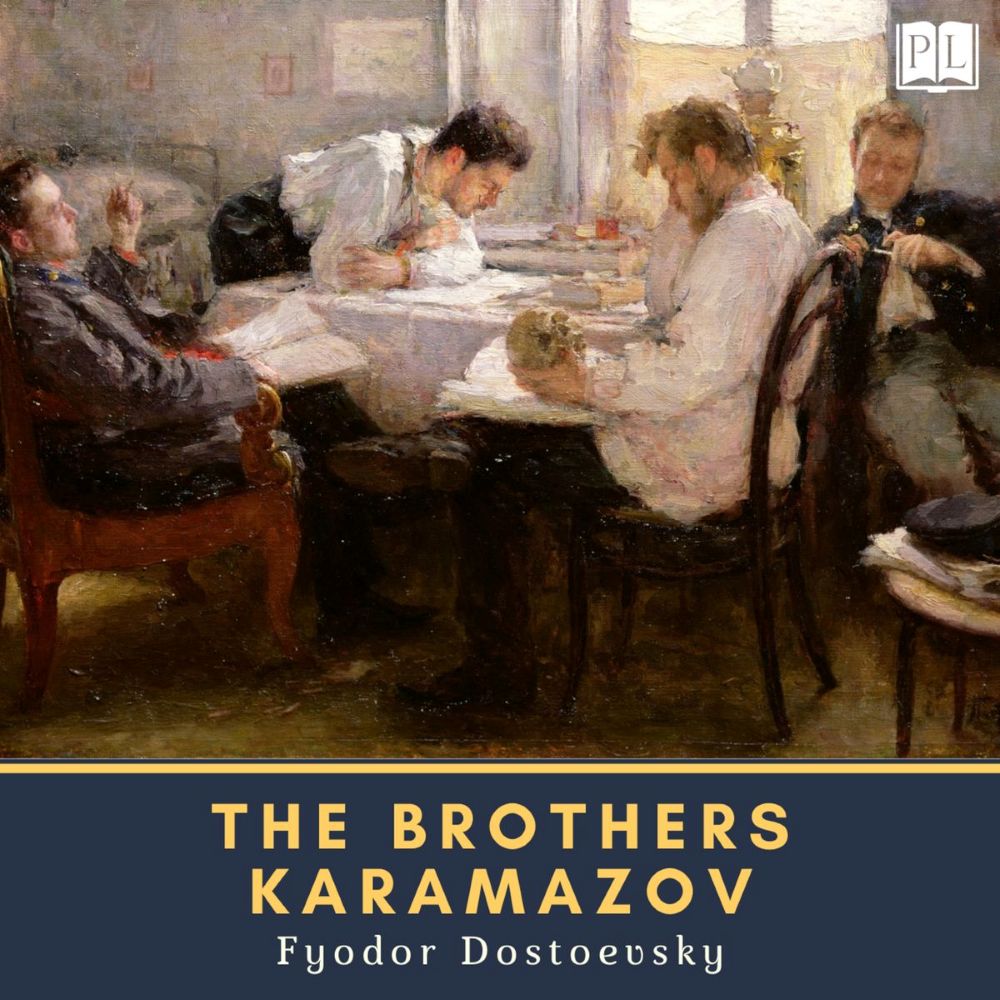
4. The Brothers Karamazov (Fyodor Dostoevsky, 1880)
“It’s not that I don’t accept God, you must understand, it’s the world created by Him I don’t and cannot accept.”
You could pick a half-dozen Dostoevskys for this list, though it’s Karamazov, somewhat unusually for an author’s final work, which represents the master at his absolute best. A sprawling meditation on some very nineteenth-century themes – in particular, the relationship between a society and its gods – it’s also a brutal family saga, a bitter satire, and a surprisingly compelling murder mystery (and, eventually, courtroom drama). A stubbornly decomposing monk, a passionate love affair, and an alcohol-fuelled bender are only some of the novel’s many highlights.
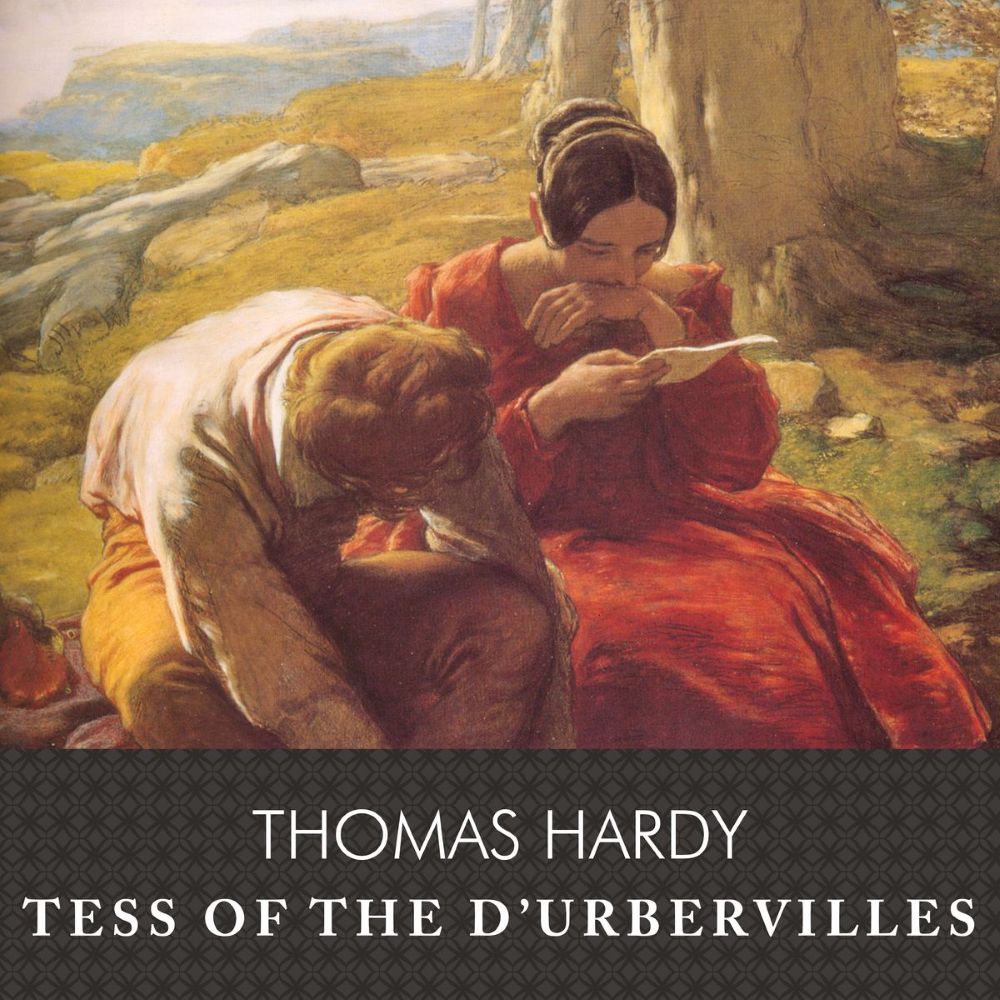
5. Tess of the d’Urbervilles (Thomas Hardy, 1891)
“Beauty to her, as to all who have felt, lay not in the thing, but in what the thing symbolized.”
Hardy’s protofeminist masterpiece has a double possessive in its title – the “d’” simply means “of the” in French – for good reason.
While it takes a while for that reason to become apparent, its story of the Durbeyfields and d’Urbervilles, and of the relationship between the titular Tess and her “cousin” Alec, is at once heart-rending and infuriating. By the end, it’s impossible not to embrace the same righteous anger with which Hardy, seething with frustration at the compromised morals of the Victorian era, wrote this work.
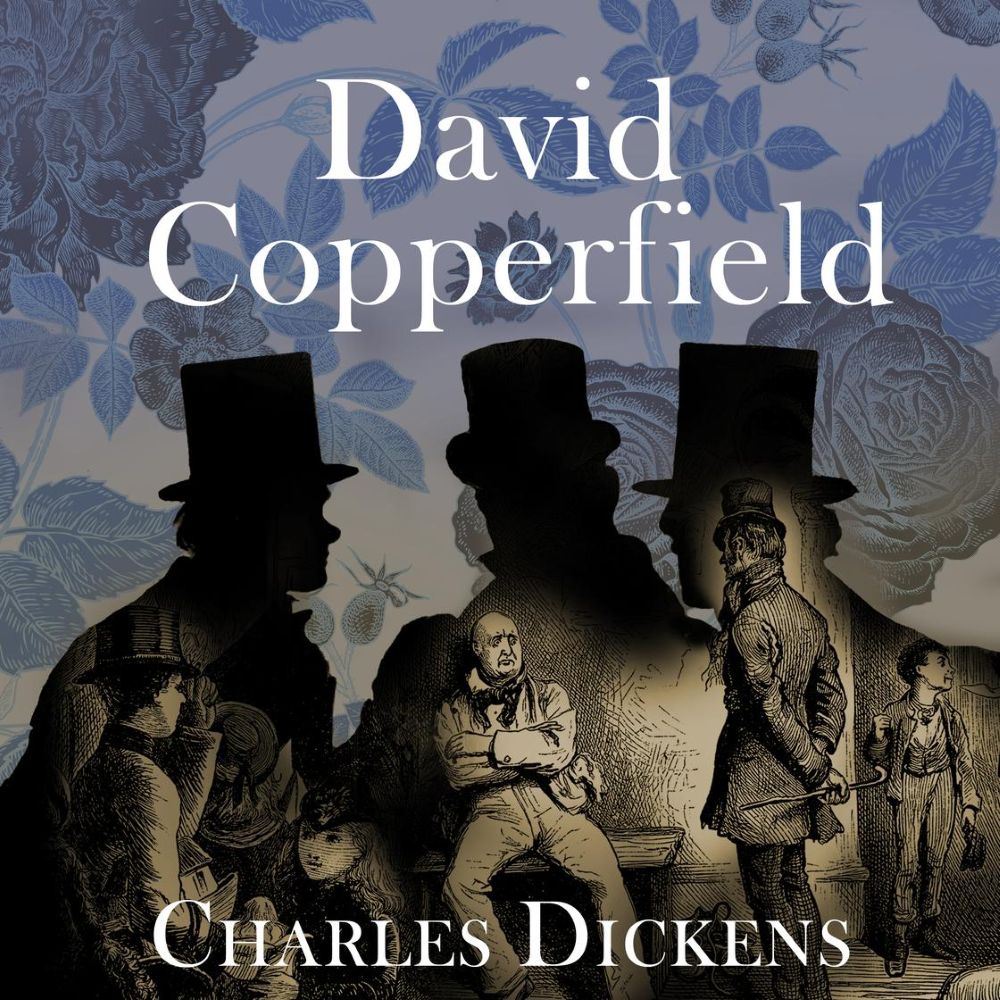
6. David Copperfield (Charles Dickens, 1850)
“Accidents will occur in the best-regulated families.”
Unabashedly sentimental, righteously polemical about social ills as only Dickens can be, Copperfield is the one work which hews closest to Dickens’s own life, though to mistake it for autobiography would undermine the sheer inventiveness of its world and, just as importantly, its characters. Wilkins Micawber may be literature’s most affable spendthrift, but Uriah Heep is easily its most insidious villain. Very ‘umble, indeed.
7. The Sound and the Fury (William Faulkner, 1929)
“Caddy got the box and set it on the floor and opened it. It was full of stars.”
Its reputation for inaccessibility is both accurate and beside the point. Yes, large swaths of Fury (its title, incidentally, a reference to one of the great moments in Shakespeare) are largely impenetrable when you first encounter them. But, for those with the patience and the wherewithal to persist, what appears at first ambiguous and opaque soon reveals itself to be something both sacred and profane.
The best of the Yoknapatawpha cycle, Fury‘s dysfunctional family saga contains some of the most memorable, and memorably drawn, characters in the canon, including the frustrated Benjy, the tragic Caddy, and not one but two ill-fated Quentin Compsons (one of whom would go on to narrate another Faulkner masterpiece, Absalom! Absalom!).
8. Madame Bovary (Gustave Flaubert, 1856)
“Without understanding what she wanted, he had a foreboding of something terrible.”
Madame Bovary is so sick and so twisted that it’s both incredibly easy and perversely difficult to recommend. A masterpiece of despair, of malignancy, and of hypocrisy (the saga of Hippolyte’s foot is truly horrifying), it’s an endlessly enjoyable read, as likely to make you flush with anger as gasp in revulsion. As an indictment of bourgeois life – and more generally, of the lies we, as humans, love to tell ourselves – it is unparalleled.
I choose to believe that the widely attributed Flaubert quote, “Bovary, c’est moi”, is apocryphal, since god knows why anyone, let alone poor Emma Bovary’s creator, would wish to identify with her.
9. Germinal (Emile Zola, 1885)
“Over the open plain, beneath a starless sky as dark and thick as ink, a man walked alone along the highway from Marchiennes to Montsou, a straight paved road ten kilometres in length, intersecting the beetroot-fields.”
A searing indictment of inequality by yet another master of humanist literature, Germinal is a harsh, blazingly angry depiction of the horrors of nineteenth-century coal mining, though the conditions it describes could easily apply to far too many places today.
Protagonist Étienne Lantier, an author-surrogate if there ever was one, arrives in northern French mining town Montsou in search of employment, only to encounter a society mired in despair, where everyone from the youngest child to the eldest grandfather must descend into the mines to eke out a (miserable, sick) existence. A rousing shot across the bow of the corporate class, it should be required reading for every young person with a conscience – and by all of us in the 99%.
10. Jane Eyre (Charlotte Brontë, 1847)
“This was a demoniac laugh – low, suppressed, and deep – uttered, as it seemed, at the very keyhole of my chamber door.”
I went back and forth on a few different Brontës for this final entry, but ultimately the romantic, eerie, and deliciously unpredictable Jane Eyre won out.
From a literary perspective, Eyre is brilliantly written, representing an important step in the development of modern fiction due, in no small part, to Brontë’s unusually penetrating insights into human behaviour. And as a mystery with a tinge of the supernatural, it is altogether spine-chilling, a non-horror novel with hair-raising horror elements.
Whenever I’m trying to bring new readers into the fold, I’ll often start with this – followed by Daphne du Maurier’s brilliant Eyre-alike Rebecca.
***
For more classic recommendations, check out our 2022 exploration of the greatest films of all time, or our picks for the best reads for the impending apocalypse.