
Across Canada, the conversation around home energy is changing. For years, homeowners approached upgrades in isolation. A kitchen renovation, a new furnace, or even the addition of solar panels were often treated as separate decisions made at different times. Today, that approach is becoming less practical.
As homes become more reliant on electricity, energy upgrades are starting to overlap in ways that were not obvious even a few years ago. Electric vehicles, heat pumps, and modern appliances are all adding to the overall demand inside the home. At the same time, more homeowners are looking at ways to generate their own power or improve efficiency. What used to be a series of independent choices is starting to feel more like one connected system.
That shift is changing how people approach upgrades. Instead of moving ahead with whatever project comes up next, more homeowners are taking a step back and thinking about what needs to happen first, and what can wait.
A big part of that comes down to limitations that only show up once you start digging into the details. Many homes built decades ago were never designed for this level of electrical demand. On paper, everything may seem fine. In practice, it does not take much to run into constraints.
A homeowner might start by looking into adding an EV charger, only to find there is no room left in the panel. In another case, someone planning solar might learn that the way their existing system is set up makes the installation more complicated than expected. Situations like this are becoming more common, and they tend to change the direction of the conversation pretty quickly.
Instead of asking what to install, the question becomes what needs to be addressed first.
In many cases, that leads back to the basics. Before adding new equipment, homeowners are often looking at whether the core of the system can support it. That is where things like electrical panel upgrades start to come into the picture. Increasing the available capacity does not solve every problem, but it does give the home more flexibility for what comes next.
From there, the approach tends to shift. Rather than trying to do everything at once, people start breaking projects into stages. One upgrade supports the next, and the timeline becomes a bit more intentional.
Electric vehicles are often the first thing that forces that kind of thinking. Charging at home sounds simple, but it adds a steady, predictable load that has to be accounted for. Some homes can handle it without much adjustment. Others cannot, and that is usually where the planning starts.
It gets more interesting when you look a bit further ahead. A homeowner who installs an EV charger today might be thinking about electric heating in a few years, or adding solar down the line. None of those decisions exist on their own anymore. They all draw from the same system, and that system has limits.
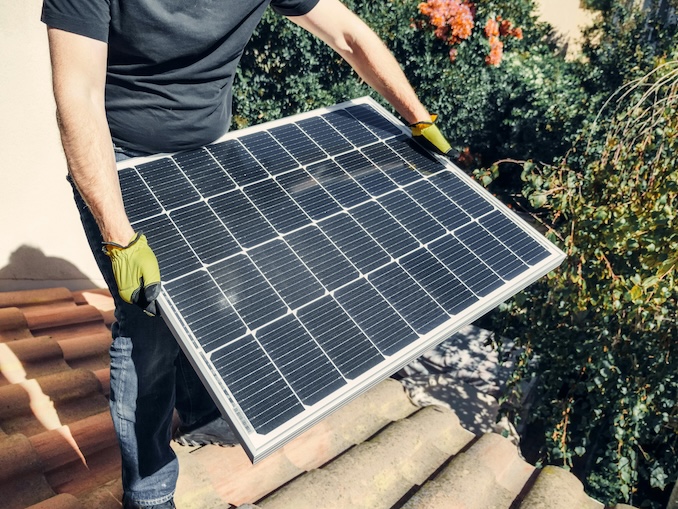
Solar fits into that same pattern. It is easy to think of it as a standalone upgrade, but in reality it still depends on how the home is wired and how power is distributed. In some homes, it integrates cleanly. In others, it raises questions that were not obvious at the start.
Money plays a role too, but not always in the way people expect. With fewer incentives available, the focus has shifted slightly. It is less about rushing into a single project and more about avoiding doing the same work twice.
For example, replacing a panel earlier than planned might not feel urgent today, but if it prevents complications when adding other systems later, it can make sense. On the other hand, delaying it might limit what can be done in the short term. There is no single right answer, which is why these decisions are becoming more case-by-case.
Electricians are seeing more of these conversations firsthand. What used to be a straightforward install is now often part of a longer discussion. How much capacity is available, what might be added later, and where the system could run into trouble all start to factor in.
Sometimes the answer is simple. Other times it is not. But either way, the idea of doing everything in isolation is starting to fade.
Even solar is being looked at differently in that context. Instead of being the first step, some homeowners are choosing to explore solar installations after they have a clearer picture of how the rest of the system will evolve.
None of this means upgrades have become overly complicated. If anything, it just reflects a more practical mindset. People are starting to think one or two steps ahead instead of reacting to whatever comes up next.
That shift is subtle, but it changes how homes evolve over time.
