
Walk into a vape shop in Toronto in 2018 and the experience was loud. Bright fluorescent lighting, cluttered glass cases, racks of cloud-chasing mods, walls of e-liquid bottles competing for attention with cartoon labels and high-nicotine claims. The shops felt like the products: aggressive, technical, unapologetically targeted at hobbyists who measured their builds in ohms and posted YouTube videos about coil mechanics. Walk into one in 2026 and almost everything has changed except the address.
How Toronto’s Vape Scene Grew Up: Inside the City’s Quiet Lifestyle Shift in 2026
Walk into a vape shop in Toronto in 2018 and the experience was loud. Bright fluorescent lighting, cluttered glass cases, racks of cloud-chasing mods, walls of e-liquid bottles competing for attention with cartoon labels and high-nicotine claims. The shops felt like the products: aggressive, technical, unapologetically targeted at hobbyists who measured their builds in ohms and posted YouTube videos about coil mechanics.
Walk into one in 2026 and almost everything has changed except the address.
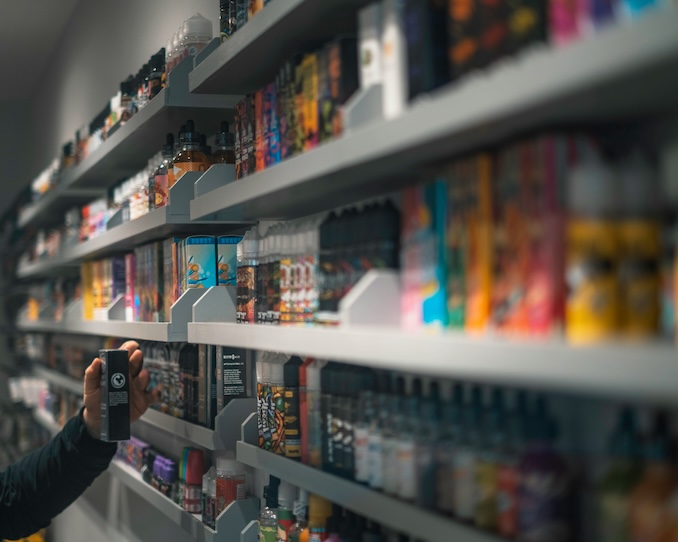
Toronto’s vape scene has quietly moved through one of the most significant identity shifts of any consumer category in the city. The cloud-chasers are still around, but they are no longer the centre of gravity. The new shops feel closer to a third-wave coffee bar than the smoke shops they replaced. Clean white interiors. Curated wood shelving. Limited but considered selection. Staff who can talk through nicotine strengths the way a good wine clerk talks through tannins. The category has grown up alongside its consumer base, and Toronto is one of the cities where that shift is most visible.
From Subculture to Lifestyle Category
The first wave of Canadian vape retail in the early 2010s was built for hobbyists. The shops looked like hobbyist spaces because that was the whole market. Shoppers came in to build coils, debate sub-ohm tanks, and pick up unflavoured nicotine to mix at home. The aesthetic followed the audience.
By 2020, the audience had broadened in ways the shops were slow to catch up with. Adults switching from cigarettes were not interested in coil-building tutorials. Lifestyle buyers wanted something that did not feel like walking into an electronics workshop. Younger adults moving toward disposables wanted simplicity, brand recognition, and design.
The retailers who adapted to that shift are the ones still standing in 2026. The ones who did not have largely closed.
What replaced the old format is something closer to specialty retail in any other lifestyle category. Stores carry fewer SKUs but stock them deeper. Display has moved away from cluttered glass cases toward clean shelving with breathing room around products. Pricing is more transparent. Loyalty programs look like the ones at a bookstore or a coffee chain rather than a gas station promo card.
The Disposable Era Reshaped Everything
The single biggest force in this shift is the rise of design-driven disposable devices. Brands like Geek Bar treated industrial design and flavour curation as serious product disciplines, releasing devices that felt closer to consumer electronics than the bulky tank systems that dominated the previous decade. The visual language alone, with soft-touch finishes, considered colourways, and packaging that would not look out of place at Indigo, told the market that the category had entered a different phase.
Toronto consumers responded faster than most Canadian cities. The same demographic that adopted oat milk in 2017, natural wine in 2020, and matcha bars in 2023 moved on disposable devices in 2024 and 2025 with the same lifestyle-driven pattern. By early 2026, walking through Queen West or Ossington, you can spot a specific product silhouette in someone’s hand the way you used to spot a specific coffee cup. The category has become legible as a lifestyle marker, for better or worse.
What’s Driving the Shift
Three things are pushing this transition forward in Toronto specifically.
The first is regulation maturing into stability. Ontario’s flavour and display regulations forced retailers to professionalize their operations. Shops that survived the regulatory tightening came out of it more disciplined, with better staff training, clearer compliance practices, and a customer experience that felt less like a grey-market storefront and more like any other licensed specialty retailer.
The second is demographic. Toronto’s adult vape consumer in 2026 skews older and higher-income than the city’s vape consumer in 2018. The 35-to-45 demographic is the fastest-growing segment, often former smokers who entered the category for cessation reasons and stayed for what they describe as a more controlled relationship with nicotine. This group brings different expectations to retail. They want clean stores, knowledgeable staff, and products that look like they belong in their lives rather than in a hidden drawer.
The third is the city’s broader cultural pull toward considered consumption. Toronto adults have built a citywide habit of treating consumer choices as identity expressions, whether the category is coffee, fitness, fashion, or skincare. Vape products entered that frame around 2023 and have not left. Specialty retailers across Ontario, including chains like Vape Cloud, which now operates 20 locations across the province, have responded by building their store environments and product curation around that lifestyle expectation rather than the older hobbyist model.
What the New Shops Look Like
If you want to see the shift firsthand, the visual cues are easy to read.
The old format kept everything behind glass cases that ran the full perimeter of the shop. The new format uses open shelving, often wood-toned, with products grouped by use case rather than by manufacturer. Old shops emphasized vapour production with posters and demo stations. New shops emphasize flavour profiles, nicotine strength clarity, and brand storytelling. Old shops felt transactional. New shops feel curated.
The staff change is just as visible. The old vape shop employee was usually a hobbyist who could rebuild a coil during a customer’s lunch break. The new one is more likely to have a retail or hospitality background and is trained on consultation rather than tinkering. They ask what you used to smoke, what you are trying to move toward, and what flavours you tend to like in other categories.
It is, on the whole, a more boring version of vape retail than the one that existed a decade ago. That is also exactly the point.
Where It’s Going
The most likely next phase is further consolidation around a smaller number of trusted retailers and brands. Toronto consumers in 2026 are showing the same pattern they show in any other category once it matures: they pick a few brands they trust, a few shops they like, and they stop experimenting. Loyalty programs and consistent product availability become more important than novelty.
The shops that figured this out early are the ones building the next decade of the category. The ones still operating like it is 2018 are running out of runway.
Toronto’s vape scene is no longer a subculture. It is a lifestyle category, with all the boring, professionalized, considered-consumption energy that implies. For the people who have been watching the shift happen, that is not a downgrade. It is the genre finally growing into itself.
