In Eastern Ontario, a recent illegal deer hunting case is drawing attention to wildlife enforcement and the importance of following hunting regulations.
I spoke with Connor Dagenais, a Conservation Officer with Ontario’s Ministry of Natural Resources, who says the incident occurred during routine compliance inspections in the Eganville area, west of Pembroke, Ontario.
“We were conducting compliance inspections and came into contact with an individual,” said Conservation Officer Connor Dagenais. “It was determined that he had harvested a deer but did not properly validate and attach his tag immediately after the kill.”
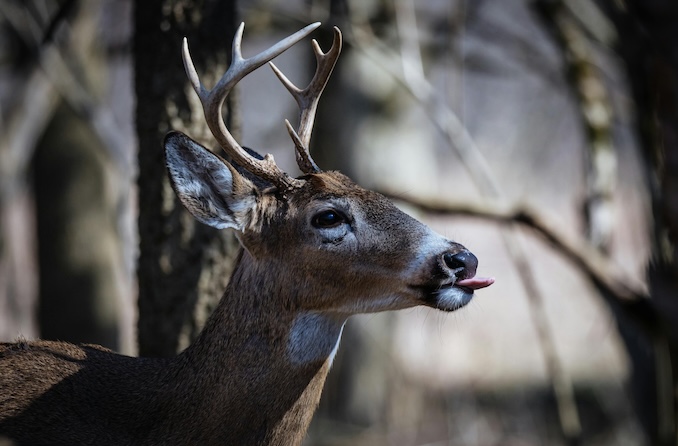
According to Dagenais, the individual failed to print and invalidate their deer tag, which is required by law, and continued hunting for the remainder of the season without a valid licence.
“Once you use your tag, you no longer have a licence to hunt independently,” he explained. “You can only continue hunting under specific conditions, like participating in a party hunt with someone who still has a valid tag.”
The investigation also revealed the individual had a loaded firearm in a vehicle, which is another violation under Ontario’s hunting laws.
Penalties Can Be Severe
Penalties for wildlife violations in Ontario vary depending on the severity of the offence and are determined through the courts.
“It can range from a warning all the way up to $25,000 in fines and even up to two years in jail,” said Dagenais. “We gather evidence and present it to a prosecutor, and the Ontario Court of Justice determines the outcome.”
Why Hunting Rules Matter
Officials say regulations are essential to maintaining healthy wildlife populations.
“Without hunting and fishing rules, it would be a wide-open harvest,” Dagenais said. “If everyone took every animal they saw, there would be none left.”
Wildlife management in Ontario is based on population estimates and controlled harvest levels. The province issues a limited number of tags each year to ensure sustainability.
“If more animals are taken than expected—whether through over-harvesting or illegal hunting—it can have a serious impact on the population,” he said.
Border Region Adds Complexity
The Pembroke region, located near the Quebec border, presents unique enforcement challenges.
Dagenais says officers from Ontario and Quebec often work together, particularly along the Ottawa River, where jurisdiction is shared.
“We do work with Quebec officers,” he said. “For example, during fishing season, officers from both provinces may be patrolling together.”
However, he noted that hunters and anglers must be aware of licensing rules when crossing provincial boundaries.
“Quebec licences are only valid in Ontario under very specific conditions, such as on the Ottawa River,” he said. “Outside of that, you need the proper Ontario licence.”
Common Mistakes Hunters Make
Dagenais says many violations stem from a lack of awareness rather than intentional wrongdoing.
“Everything is laid out in the hunting regulations summary,” he said. “We always tell people—read it. If you don’t know the rules, that’s where you’ll find them.”
He added that mistakes should be reported immediately.
“If you accidentally kill an animal illegally, the proper thing to do is self-report,” he said. “That’s very different from being caught in possession of an illegal animal without notifying authorities.”
Reporting Illegal Hunting
Members of the public are encouraged to report suspected violations through the Ministry’s tip line.
“You can call the MNR tips line at 1-877-847-7667,” Dagenais said. “That connects to our communications centre, and they’ll notify the nearest conservation officer.”
Response times can vary depending on officer availability and the nature of the situation.
A Job That’s Always Changing
For conservation officers, no two days are the same and each day can present its own challenges.
“It can be anything from routine inspections to active investigations,” said Dagenais. “You never really know what you’re going to encounter day to day.”
He added that while enforcement resources are generally strong, more officers would always help improve response capacity across the region.
A Message to Hunters
Dagenais says the takeaway is simple: know the rules and follow them.
“These regulations are in place to protect wildlife for future generations,” he said. “Taking the time to understand them is part of being a responsible hunter.”