
Mastering the art of espresso begins with selecting the right coffee machine. Whether you’re a seasoned barista or a homebrew enthusiast, choosing an espresso machine suited to your needs is essential for achieving rich, flavourful results. This guide will walk you through the different types of espresso coffee machines, key features to consider, and tips for making the perfect cup every time, so you can enjoy café-quality espresso from the comfort of your kitchen.
Understanding the Basics of Espresso
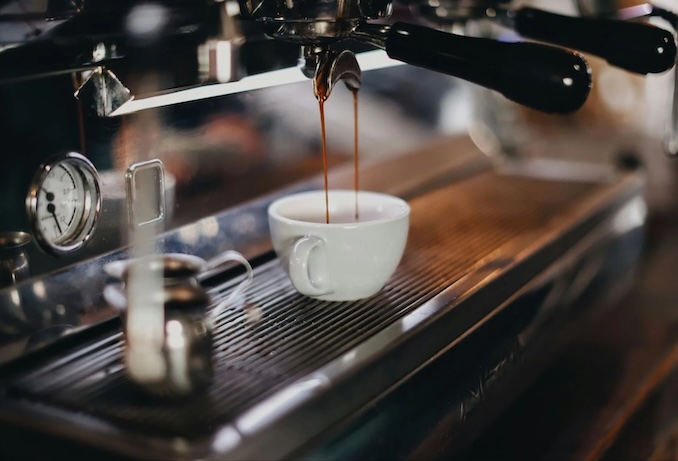
Espresso is a concentrated coffee brewed by forcing hot water through finely-ground beans. The quality of your espresso depends greatly on your espresso coffee machine. Choosing the right equipment ensures consistent extraction, proper pressure, and ideal temperature. A perfect shot features a rich crema, deep aroma, and balanced flavour. Knowing the essential elements helps create coffee that rivals your favourite café.
Key Features to Look for in an Espresso Machine
When selecting an espresso machine, focus on pressure levels, temperature control, and build quality. Aim for a machine offering nine bars of pressure, ideal for espresso extraction. Stainless steel boilers and PID controllers ensure thermal stability. Look for a model with a powerful steam wand to craft creamy milk foam. Compact machines with intuitive controls also simplify daily use and maintenance.
Manual, Semi-Automatic, and Automatic Machines
Manual machines offer total control but require skill. Semi-automatics balance precision and convenience. They allow control over timing and grind but automate water flow. Automatic machines are user-friendly and include pre-programmed settings. They’re perfect for beginners seeking consistent results. Choosing between them depends on your skill level and preference for hands-on brewing.
Grinder Integration and Coffee Bean Freshness
Built-in grinders offer convenience and space-saving, allowing on-demand grinding. Consistent grind size is crucial for uniform extraction. Fresh beans enhance flavour and aroma, so choose a machine that allows easy bean changes. Burr grinders are preferable to ensure precision grinding. An airtight hopper preserves coffee quality between uses.
Evaluating Size, Design, and Usability
Your espresso machine should fit seamlessly into your kitchen. Compact models save space without compromising features. Choose a design that matches your decor and ergonomics. Accessible water tanks, removable drip trays, and easy-to-read interfaces simplify operation. Usability should be intuitive to encourage regular use and experimentation.
Budget Considerations and Maintenance Needs
Set a budget considering initial cost, long-term maintenance, and extra accessories. Entry-level models suit casual drinkers, while premium machines appeal to connoisseurs. Regular cleaning extends machine lifespan and improves taste. Some models feature self-cleaning systems and descaling notifications. Factor in the cost of water filters, cleaning kits, and occasional part replacements.
Enhancing the Espresso Experience at Home
Enhance your espresso routine with a digital scale, tamper, and pre-heated cups. Dial in your grind size, dose, and tamp force for perfection. Maintain consistent routines for quality control. Milk frothing adds versatility—perfect for cappuccinos and lattes. Explore bean origins and roast levels to discover your preferred espresso profile. Consistency and curiosity are vital for barista-level results.
What features should you look for in a high-quality espresso maker?
When selecting a premium espresso maker, consider key features such as pressure levels (ideally 9 bars or more), a built-in grinder for freshness, a durable portafilter, and consistent temperature control. Other valuable additions include programmable settings, a steam wand for milk frothing, and easy maintenance features.
Is a manual or automatic machine better for home use?
The choice between manual and automatic brewers depends on your experience and preferences. Manual models provide greater control over the brewing process, ideal for enthusiasts. Automatic or semi-automatic options, however, offer consistent results with less effort, making them better suited for beginners or those seeking convenience.
How important is the grinder in achieving rich espresso flavour?
The grinder plays a critical role in determining the flavour and crema of your shot. A high-quality burr grinder ensures uniform grind size, which is essential for proper extraction. Freshly ground beans also preserve aroma and oils, enhancing the depth and complexity of each cup.
Can you use regular coffee beans in an espresso machine?
While technically possible, regular coffee beans may not yield optimal results in an espresso recipe. Espresso roasts are typically darker and formulated to produce rich crema and concentrated flavour. For the best taste, opt for beans labelled specifically for espresso, and adjust grind size accordingly.
