
Functional minimalism focuses on creating a clean space where only essential items are present to help create a restful environment. While many bedrooms feature a range of furniture pieces and decorative objects, bedrooms rooted in functional minimalism do not. Creating a space without excess offers a calm, purposeful alternative that promotes wellness.
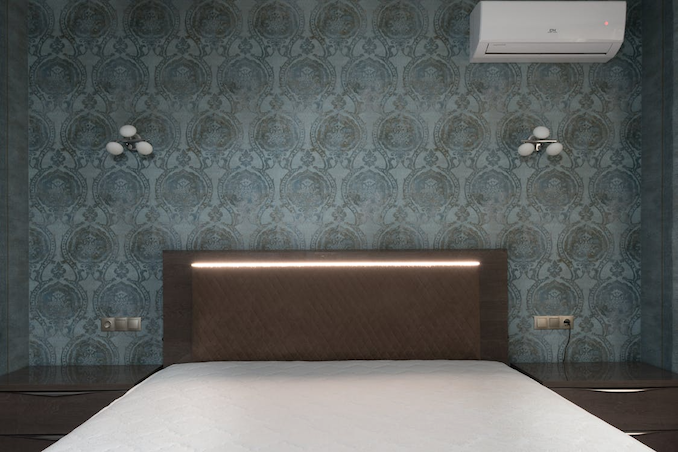
In urban cores like Toronto, functional minimalism has emerged as an approach that can make even the smallest bedroom spaces feel expansive. Keep reading to learn more about the impact of this design philosophy on today’s bedroom design.
Understanding Functional Minimalism
Functional minimalism emphasizes the idea that only essential items should populate a space. You’ll need to consider how much you actually need an item. And you’ll want to confirm that the item, whether a dresser or duvet, enhances the space.
If you determine the item in question is not a match for the space, then you’ll want to remove it. Ultimately, your goal is to remove clutter and create a more purposeful space.
From a sleeping standpoint, less is more. You won’t feel as distracted by clutter when you pull back the sheets each night. And your mind won’t feel overwhelmed by the sight of piles of clothes or furniture crowded against the walls. In short, functional minimalism can cultivate a space where you can decompress more effectively.
Embracing Functional Minimalism in Compact Spaces
If you’re living in a condo in Toronto or another city, you’ll be working with limited square footage. As such, functional minimalism makes a lot of sense as a design philosophy.
You’ll gain a more efficient use of space when you cut down on tripping hazards and visual obstructions. You can choose furniture pieces that serve more than one function, too. And when you and built-in shelves and other architectural structures, you can maximize your space.
Choosing Neutral Colours
In minimalist bedrooms, neutral colours take the lead. Cool or warm whites, beige, gray, and natural earthy options should blanket the walls and bedding.
Lighter neutrals can help small bedrooms feel grand. And they help support a sense of calm and tranquility that’s appropriate for a bedroom. Rather than adding splashes of contrast and impact, neutrals help the mind ease into a restful mode.
Yes, a few accents of brighter, saturated colours are allowed. But they should be reserved for wall art, throw rugs, or other small accessories. Soft neutrals should dominate and set the tone for the room.
Simplifying Bedding Materials
In a minimalist bedroom, the bed and its bedding will anchor the space. Even so, the bedding should be simple and prioritize clean lines to maintain the right aesthetic.
While bedding can look lush and layered, it should be just the opposite in a minimalist bedroom. Focus on using a clean, well-fitted sheet and a simple arrangement of pillows. Use a solid-colored duvet with a sharp border, high thread count, and subtle texture.
Avoid layering lots of materials and choosing bedding covers with obvious buttons or zippers. Instead, look for quilt cover sets with concealed closures that will create a clean appearance. Thanks to internal magnets in these closure systems, the bedding always looks smooth and crisp.
Limiting Your Use of Hardware
Another way to move your bedroom to a more minimalist aesthetic is through your choice of hardware and fasteners. Ideally, you want handles and closures to be subtle rather than call attention to themselves.
Opt for drawers without decorative handles. Install floating shelves with clean edges and hidden brackets. And choose bedframes with discrete storage underneath where you can place essential items.
You’ll end up with fewer accessories and ornamentation disrupting your room’s ambiance. And as a bonus, the smooth surfaces and edges will be simple to clean.
Looking to Low-Maintenance Fabrics
Functional minimalism focuses on creating clean lines and pared-down atmospheres. But it also focuses on ease of use. After all, functionality is all about maximizing the performance of materials and objects.
Invest in furniture made from durable fabrics that can withstand frequent use. When bedspreads, drapes, and other fabrics are made from wrinkle-resistant fabrics, for instance, they will always look sharp.
Well-made linens and quilts should be able to handle ongoing washings without losing their freshness. Opting for microfibre fabrics and cotton blends can provide more breathable linens, too.
Creating a Bedroom That Feels More Functional
When you embrace functional minimalism as a part of bedroom design, you’ll create a neat and calm space to begin and end your day. Choose furniture that can serve multiple functions, and keep your color scheme simple and neutral. Select hidden hardware and low-maintenance fabrics to make your life easier.
In busy urban locations like Toronto, less really is more in bedroom spaces. Paring down belongings can help you arrive at a more spacious bedroom that puts your mind at ease.
